
Restoring Ali Talab Lake (Hyder Nagar Cheruvu)
Reviving a vital urban lake through restoration, ecological improvement, and community action—transforming Ali Talab Lake from a neglected waterbody into a healthier, greener space for people and nature.
Join as a Volunteer
Restoring Ali Talab Lake (Hyder Nagar cheruvu)
Reviving a vital urban lake through restoration, ecological improvement, and community action—transforming Ali Talab Lake from a neglected waterbody into a healthier, greener space for people and nature.
Join as a Volunteer

Project Overview

Restoring Ali Talab Lake, Reviving a Waterbody

Ali Talab Lake, also known as Hyder Nagar Cheruvu, is an important urban waterbody in Hyderabad that has faced challenges from waste accumulation, encroachment pressures, and declining ecological conditions.

Dhruvansh NGO, in collaboration with HPCL, is supporting the restoration of the lake through systematic waste removal, ecological improvement, waterbody management, and nature-based restoration measures. The initiative aims to improve the lake environment, strengthen its ecological value, and create a healthier waterbody for the surrounding community.

Key Restoration Interventions & Methodology

A nature-based approach combining ecological treatment, solar technology, monitoring, and habitat restoration to revive Kokapet Lake.

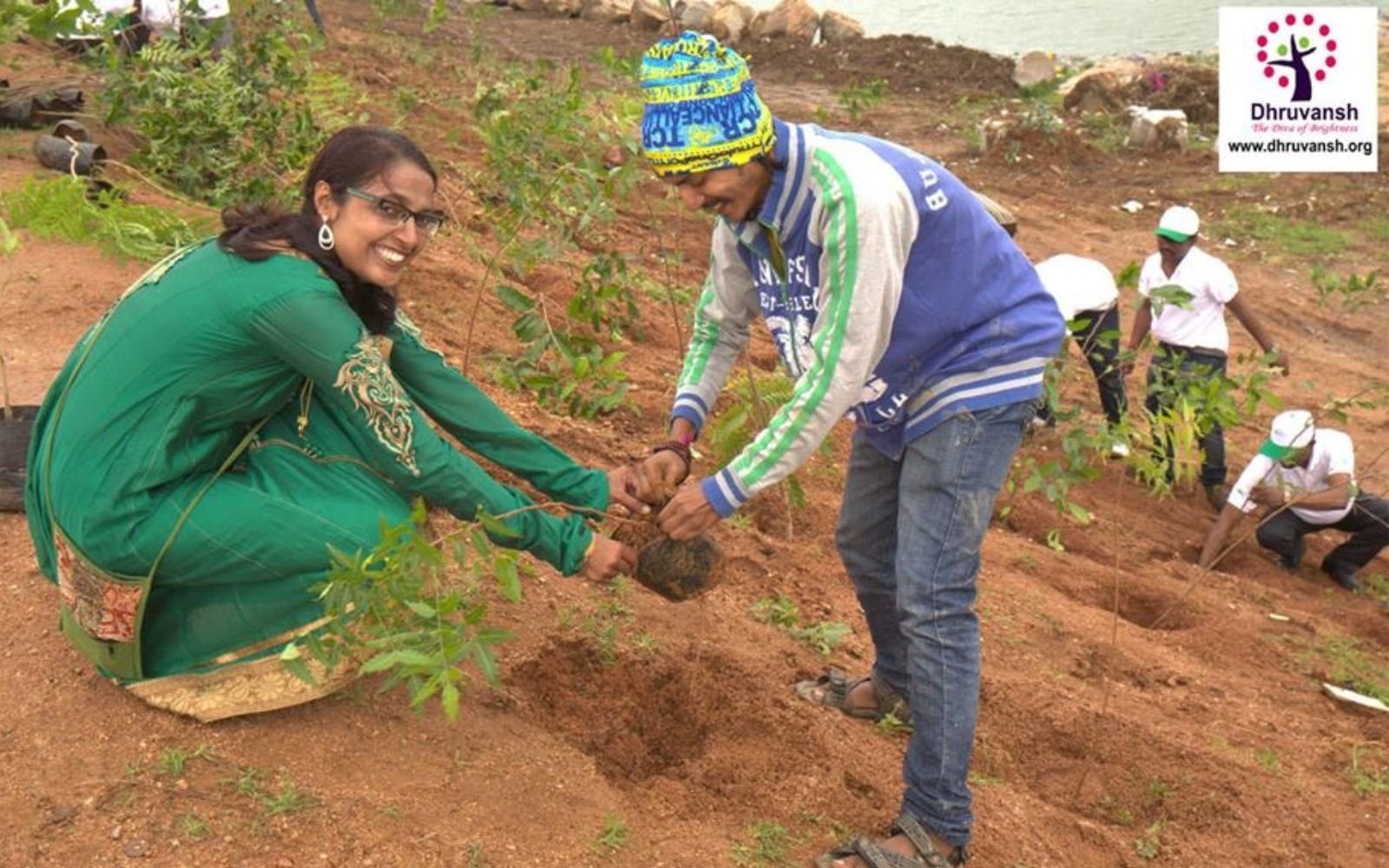
Native Plantation & Biodiversity Restoration

Periphery plantation plays an important role in strengthening the ecological health of lake environments. By planting native tree and plant species along the lake’s buffer zones, these green belts help stabilize the soil, reduce erosion and protect the shoreline from degradation. Native vegetation also provides food, shelter and nesting spaces for local birds, insects and other wildlife, helping restore natural habitats around the waterbody. Over time, these plantations support the return of native species, improve ecological connectivity and help rebuild fragmented food webs. Creating healthy green buffers around lakes also enhances the overall landscape, improves biodiversity and contributes to a more resilient and sustainable urban ecosystem.

Ecological Monitoring

Ecological Monitoring is an essential part of lake restoration, helping assess the health and gradual recovery of the aquatic ecosystem. Regular monitoring examines water quality, vegetation, biodiversity, and other environmental conditions to understand how the lake is responding to restoration efforts. This information helps identify pollution levels, ecological changes, and emerging challenges that may affect the long-term health of the water body.

Continuous observation also helps measure the effectiveness of restoration measures and provides valuable information for future conservation planning. By tracking changes over time, restoration teams can make informed decisions and respond to environmental concerns more effectively. Ecological Monitoring ensures that restoration remains science-based, measurable, and sustainable, supporting the long-term protection and management of the lake ecosystem.


Native Habitat Restoration

Native Habitat Restoration focuses on rebuilding healthy and natural habitats around the lake using plants and vegetation that are well suited to the local environment. Native plants help strengthen the shoreline, reduce soil erosion, and improve the stability of areas surrounding the water body. They also provide food, shelter, and breeding spaces for birds, insects, fish, and other wildlife, encouraging the return of diverse species.

Restoring native vegetation helps strengthen biodiversity and ecological balance while creating a more resilient lake ecosystem. Locally adapted plants can better support natural ecological processes and contribute to the long-term health of the surrounding landscape. Through thoughtful habitat restoration, degraded areas can gradually be transformed into vibrant, sustainable ecosystems that benefit wildlife, the lake, and the wider urban environment.


Project Details

S.no.

Metric / Attribute

Project Details

1

Location

Ali Talab Lake(Hyder Nagar Cheruvu), Hyderabad, Telangana

2

Lake Area

~10 Acres

3

Executing Organization

Dhruvansh Organizational

4

Key Leadershi

Madhulika Choudhary (Founder & CEO, Dhruvansh)

5

Timeline

Feb 2025 – Ongoing

6

Primary Approach

Frugal Nature-Based Solutions (NBS), Bio-remediation & Community Stewardship

7

Key Technologies

Solar Aerators, Floating Islands, Floating Treatment Wetlands, Bio-remediation & Phytoremediation

Ali Talab Lake in Action

Explore the restoration journey, ecological transformation, and community efforts through video.

Our Impact

Restoration Impact — By the Numbers

Water quality improved
0 %
Native plants restored
0 +
Bird species returned
0 +
Volunteers participated
0 +

GET INVOLVED — Be Part of the Change

Support the Mission

Support lake restoration, biodiversity protection, and community programs through your contribution.

Join as Volunteer

Join hands in clean-ups, plantation drives, and awareness events to help revive our lakes.

CSR Partnership

Collaborate with us through CSR to support long-term environmental conservation and impact.

Join As a Volunteer

Become a part of Dhruvansh’s mission to create a greener and more sustainable future.


Organize an Event

Partner with Dhruvansh to organize impactful environmental events and community-driven sustainability initiatives.


Partner With Dhruvansh

Collaborate with us for impactful CSR and sustainability initiatives across India.