

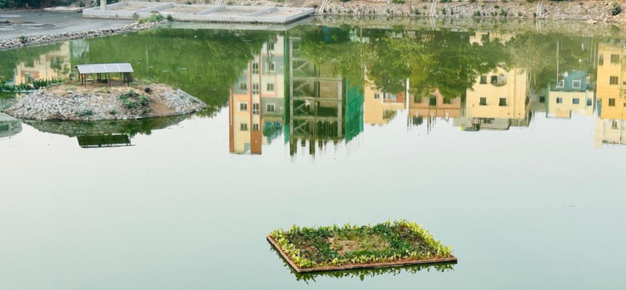

In Hyderabad’s bustling Gachibowli area, Barla Kunta Lake has emerged as a shining example of environmental restoration. Dhruvansh, a dedicated local NGO, has overcome significant challenges to revive this urban lake using their innovative Integrated Floating Treatment Wetland (FTW) technology. This unique approach is transforming polluted water bodies into thriving ecosystems. Here’s the story of how Dhruvansh revitalized Barla Kunta Lake and set a new standard for sustainable lake conservation.
The Plight of Barla Kunta Lake
Urban lakes in Hyderabad often face severe pollution, and Barla Kunta was no exception. Sewage inflow, unchecked debris, and invasive weeds had turned this 4-acre lake into a polluted, odor-filled site. High levels of biochemical oxygen demand (BOD) and chemical oxygen demand (COD) made the water toxic, threatening aquatic life and the surrounding ecosystem. With Hyderabad’s lake count dwindling from 800 to just 185 due to urban sprawl, saving Barla Kunta became a priority for Dhruvansh.
Led by environmentalist Madhulika Choudhary, Dhruvansh drew on their experience restoring Neknampur Lake to tackle Barla Kunta’s challenges. Their mission was clear: restore the lake’s health using eco-friendly, cost-effective methods while engaging the community.
The Power of Floating Treatment Wetlands
Dhruvansh’s Integrated Floating Treatment Wetland system is a game-changer for urban lake restoration. This sustainable technology uses natural processes to purify water, offering a low-cost alternative to conventional treatment plants. Here’s how it functions:
- Design: The FTW is a 3,000-square-foot floating platform built with a bamboo frame, styrofoam for buoyancy, and gravel to support plants. Holes in the base allow nutrient-rich water to reach plant roots, creating a natural filtration system.
- Plant-Based Purification: The platform hosts plants like vetiver, canna, cattails, bulrush, and tulsi. These plants absorb excess nutrients such as nitrates and phosphates, reducing water toxicity. Their roots, aided by microorganisms, break down organic pollutants, improving water clarity and quality.
- Ecosystem Benefits: Beyond purification, the FTW fosters biodiversity. Plants attract birds and aquatic species, while others, like citronella, deter mosquitoes. The system requires no maintenance, making it ideal for long-term use.
This innovative approach aligns with global sustainability goals, offering a scalable solution for urban waterbody restoration.
Overcoming Challenges at Barla Kunta
Restoring Barla Kunta was a daunting task due to persistent sewage inflow and environmental neglect. Dhruvansh employed a strategic, multi-faceted approach to address these issues:
- Sewage Management: Partnering with United Way of Hyderabad, Dhruvansh successfully diverted 100% of sewage lines away from the lake, significantly reducing pollution levels.
- Bio-Enzyme Initiative: In April 2025, Dhruvansh launched a Bio-Enzyme Drive for World Earth Day, releasing 1,000 liters of bio-enzyme made from jaggery, fruit peels, and water. This natural solution introduced beneficial bacteria to neutralize chemicals and reduce BOD and COD, eliminating foul odors. The success of a similar initiative at Neknampur Lake inspired this effort.
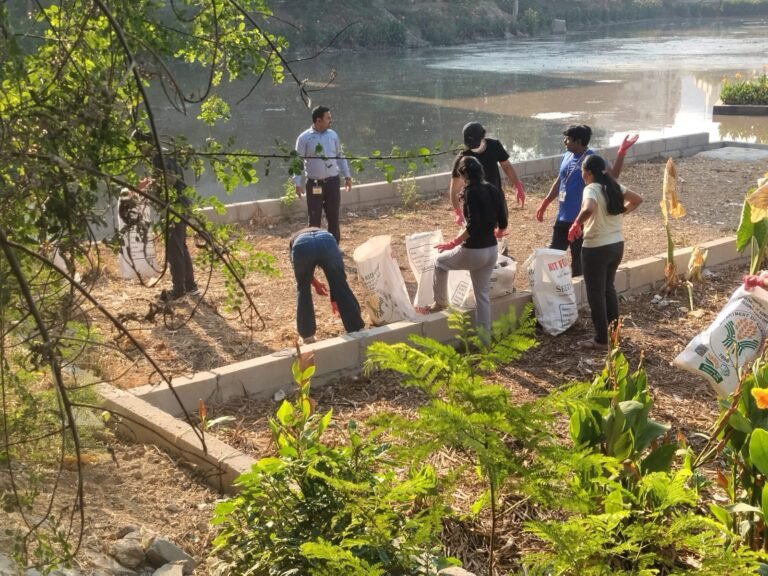
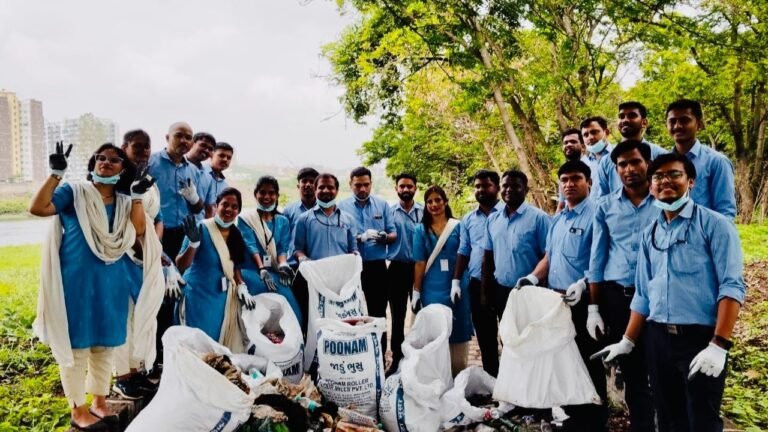
- Weed and Debris Cleanup: Through consistent cleanup drives, Dhruvansh removed 90% of invasive weeds, repurposing them into organic manure with cow dung to support local plant growth.
- Community Involvement: Dhruvansh engaged local residents by encouraging them to prepare bio-enzymes at home, fostering a sense of ownership and promoting sustainable practices to prevent future pollution.
Transformative Results
The impact of Dhruvansh’s efforts at Barla Kunta is profound. The FTW has reduced nutrient pollution by up to 60%, curbed weed growth, and restored water quality. The lake now supports aquatic life and attracts migratory birds, enhancing Hyderabad’s biodiversity. Its revitalized appearance, with vibrant plants on the floating island, has made Barla Kunta a local point of pride.
The project has also created economic opportunities. Revived fishing activities and the production of organic manure have provided livelihoods for nearby communities. Barla Kunta’s restoration supports the United Nations’ Sustainable Development Goal 6.6, which focuses on protecting water ecosystems.
Partnerships and Achievements
Dhruvansh’s success stems from collaboration with the Hyderabad Metropolitan Development Authority (HMDA), Greater Hyderabad Municipal Corporation (GHMC), and United Way of Hyderabad. Government support for sewage diversion laid the groundwork for the FTW’s effectiveness. The NGO’s earlier work at Neknampur Lake, recognized as India’s largest FTW, set a precedent for Barla Kunta’s transformation.
A Model for Urban Lake Restoration
Dhruvansh’s work at Barla Kunta is a replicable model for urban lake conservation. The NGO has implemented FTWs at other Hyderabad lakes, such as Chandana Cheruvu and Sunnam Kunta, with plans for further expansion. Their approach—combining innovative technology, community participation, and ecological stewardship—offers hope for India’s threatened urban waterbodies.
Get Involved
Inspired by Dhruvansh’s mission? Join their next Bio-Enzyme Drive or volunteer for lake cleanup initiatives. By supporting their efforts, you can help ensure that Barla Kunta and other urban lakes remain vibrant ecosystems for future generations.