


As cities grow, lakes shrink. But in Hyderabad, Dhruvansh NGO is leading a movement to reverse this trend—reviving lakes like Kokapet, restoring ecosystems, and educating citizens on how to become lake guardians themselves.
🧠 Why Do Lakes Need Saving?
Lakes are natural urban infrastructure that provide clean water, support biodiversity, and reduce flooding. But due to:
- Unplanned urbanization
- Encroachments
- Sewage and industrial waste
- Neglect and lack of awareness
… many of India’s lakes are choking and dying.
What Happens When a Lake Dies?
- Local water tables fall
- Biodiversity vanishes
- Flood risk increases
- Urban heat island effect worsens
- Communities lose a source of peace and recreation
This is why lake restoration is not optional—it’s urgent.
🛠️ 7 Key Steps to Save & Restore a Lake (Explained in Detail)
Dhruvansh NGO follows a scientific and community-driven approach. Here’s their step-by-step method, with examples from real work like the Kokapet Lake Restoration Project.
1. Site Assessment & Baseline Study
Before taking action, Dhruvansh conducts a detailed environmental audit:
- Water testing (checking pollution levels, oxygen, pH)
- Identifying sources of pollution (sewage lines, drains)
- Mapping biodiversity (plants, fish, birds, insects)
- Noting illegal encroachments
- Measuring depth, silt, and water retention capacity
✅ At Kokapet Lake, this helped Dhruvansh understand where to start—revealing that the lake was filled with construction debris and plastic.
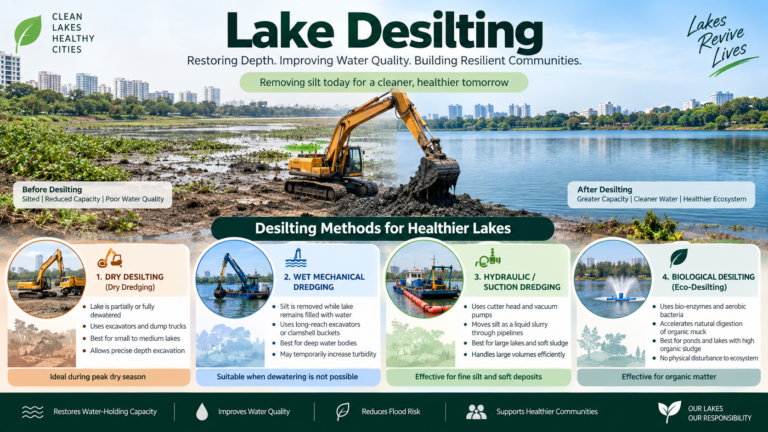
2. Lake Cleaning and Desilting
Once the damage is assessed, the next step is physical restoration:
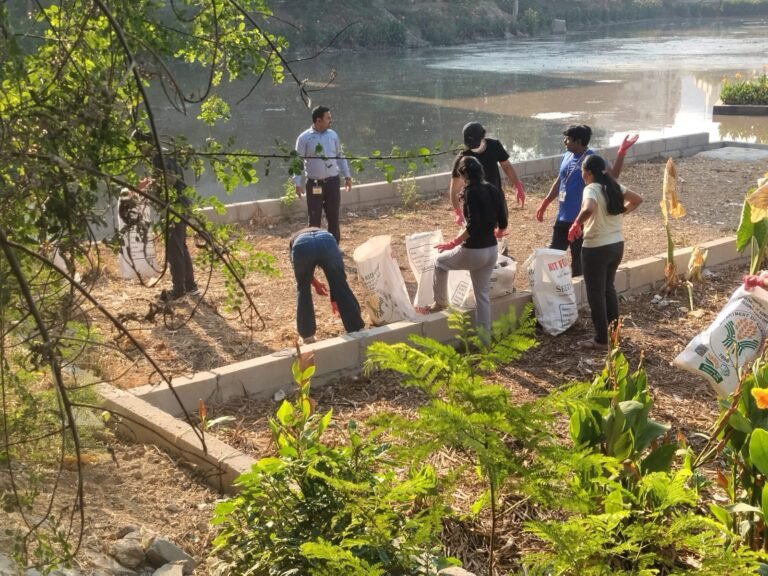
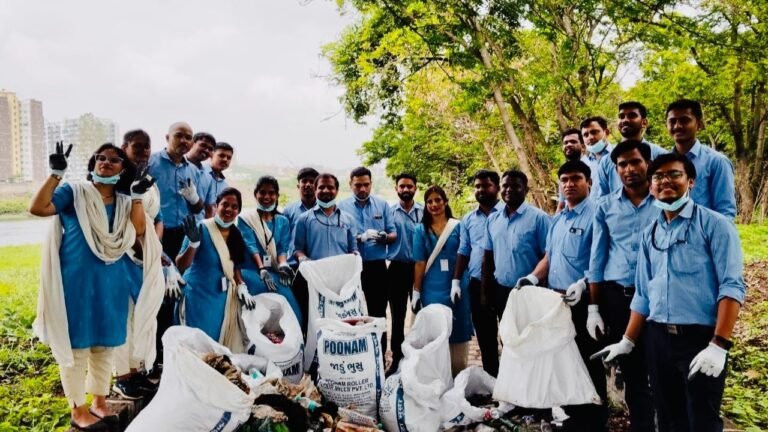
- Manual clean-up drives with volunteers for removing plastic, glass, and garbage
- Mechanical desilting to deepen the lake bed and restore holding capacity
- Removal of eutrophication-causing weeds like water hyacinth
✅ Dhruvansh organized monthly clean-up drives at Kokapet Lake, removing tons of waste and mobilizing local residents, schools, and IT employees.
3. Stopping Inflows of Pollution
Dhruvansh ensures that new pollutants don’t keep entering the lake:
- Collaborating with GHMC to divert or treat sewage
- Installing Floating Treatment Wetlands (FTWs)—rafts planted with vetiver, canna, and other native species that absorb toxins naturally
- Building settling tanks or bio-filters at stormwater inlets
✅ Kokapet Lake now has floating wetlands that treat water naturally without chemicals—reducing nitrate and phosphate levels.
4. Reviving Native Biodiversity
A healthy lake is a living ecosystem. Dhruvansh revives this by:
- Planting indigenous trees and shrubs around the lake
- Adding aquatic plants like lotus and reeds
- Creating bird perches, fish habitats, and butterfly patches
✅ After two years of restoration, Neknampur Lake (another Dhruvansh success story) witnessed the return of over 100 species of birds and butterflies.
5. Building Community Ownership
Restoration is not just physical—it’s social. Dhruvansh believes people protect what they love. So they:
- Organize awareness walks, lake fests, and eco talks
- Involve schools and colleges through “adopt-a-lake” programs
- Train citizen scientists to monitor birds and test water quality
- Create art installations and storyboards around lakes
✅ In the Kokapet Lake project, school students and local RWAs (Resident Welfare Associations) were key partners in regular maintenance and education efforts.
6. Eco-Friendly Infrastructure
Rather than concrete walls and urban landscaping, Dhruvansh promotes natural and regenerative design, such as:
- Bio-fencing with native hedges instead of metal grills
- Mud walking trails instead of cement paths
- Eco-benches, bird hides, and interpretation boards
✅ At Kokapet, they are designing a nature trail, encouraging walking, birdwatching, and mindfulness over commercial use.
7. Legal Advocacy and Policy Involvement
To protect restored lakes in the long run, Dhruvansh:
- Works with urban planning departments to integrate lakes into the master plan
- Reports and fights encroachments legally
- Demands wetland protection status under central rules
- Raises media attention to ensure lakes are not privatized
✅ Dhruvansh regularly files representations and RTIs to ensure civic bodies remain accountable for lake preservation.
📈 How Lake Restoration Helps Cities Like Hyderabad
A restored lake doesn’t just benefit the environment. It:
- Increases real estate value around clean water bodies
- Reduces hospital visits due to better air and water quality
- Prevents urban flooding by acting as a water sink
- Provides a public space for yoga, walks, and eco-tourism
- Supports local jobs through eco-volunteering and education
🧑🤝🧑 How You Can Help Save a Lake
Everyone has a role to play. Here’s how you can contribute:
| Action | Impact |
| Join clean-up drives | Reduces pollution and builds teamwork |
| Sponsor a tree or FTW | Boosts oxygen and biodiversity |
| Educate others | Multiplies awareness and action |
| Monitor pollution | Supports data collection and advocacy |
| Report violations | Protects the lake from long-term damage |
✅ Dhruvansh provides training, toolkits, and support to help volunteers start or join lake missions.
🏞️ Final Word: Lakes Are Lifelines, Not Landfills
Lakes don’t need saving once. They need continuous care, legal protection, and community pride. Thanks to Dhruvansh, Hyderabad is showing the way for India—lake by lake, life by life.🌿 “When we restore a lake, we restore a future.”