

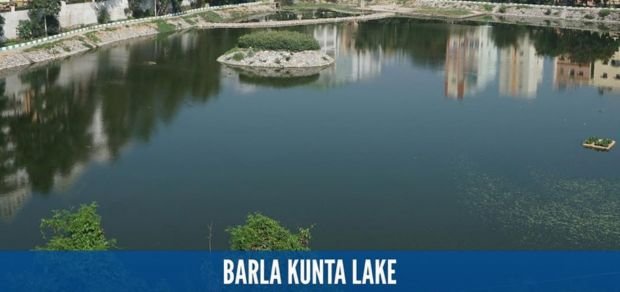

Barlakunta Lake, once a neglected water body in the heart of Indiranagar, Gachibowli, Hyderabad, is now a symbol of sustainable urban restoration. This transformation didn’t happen overnight—it’s the result of tireless efforts by Dhruvansh NGO, which is redefining eco-restoration through innovation and community collaboration.
🌿 Who is Dhruvansh?
Dhruvansh is a Hyderabad-based environmental NGO founded by Madhulika Choudhary, known for leading lake revival projects using natural, chemical-free solutions. With a successful track record in restoring lakes like Neknampur Lake, Dhruvansh has become a pioneering force in sustainable water conservation.
💡 The Challenge: A Dying Urban Lake
Barla Kunta was on the verge of ecological collapse. Polluted water, invasive weed growth, surface garbage, and reduced biodiversity had turned it into a potential health hazard rather than a community resource. Traditional restoration methods alone wouldn’t have worked.
🚀 The Game-Changer: Integrated Floating Wetland Treatment Technology
✅ What Is Integrated Floating Wetland Treatment Technology?
Dhruvansh introduced a hybrid ecological solution called Integrated Floating Wetland Treatment Technology (IFWTT). This method uses artificial floating platforms planted with native wetland vegetation. These floating gardens mimic natural wetlands and function as biofilters to clean the water.
🧪 How It Works:
- Plants absorb excess nutrients such as nitrogen and phosphorus, which otherwise lead to algal blooms.
- Microbial colonies on the root systems break down harmful pollutants and organic waste.
- Floating islands stabilize water quality and support aquatic life, restoring natural balance.
By combining bioengineering and ecological science, IFWTT offers a scalable, low-maintenance, and chemical-free method to rehabilitate urban lakes.
🌱 Supporting Technologies Used in Barlakunta Restoration
1. 🧹 Floating Garbage Broom
To clean floating debris and algae, Dhruvansh used an indigenous device—a floating garbage broom. This eco-friendly tool reaches difficult corners and removes surface-level pollutants efficiently.
2. 🧴 Bio-Enzyme Treatment
Volunteers and community members participated in Bio-Enzyme Drives, introducing natural cleaners made from jaggery, citrus peels, and water to enhance the microbial ecosystem and reduce foul odors.
3. 🐟 Aquatic Ecosystem Rejuvenation
With the lake’s water quality improved, fish and native plant life began to return, boosting biodiversity and creating a balanced habitat for flora and fauna.
📣 Community Participation: A Key to Sustainable Impact
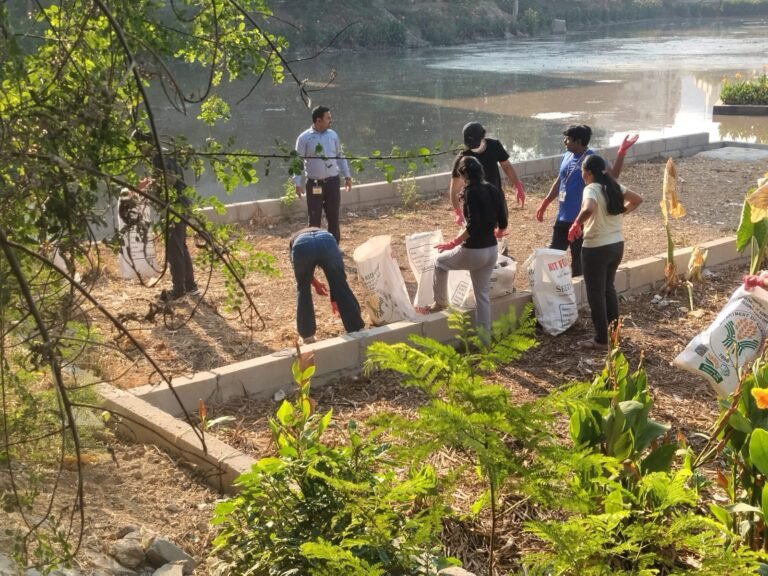
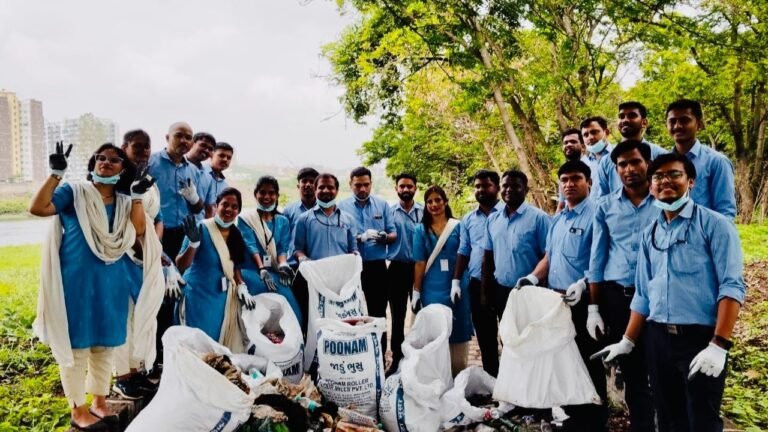
Dhruvansh actively involves local residents, schoolchildren, and corporates in cleanup drives, awareness sessions, and eco-volunteering. This hands-on approach builds community ownership and ensures the lake’s long-term care.
📊 Measurable Impact of Dhruvansh’s Barlakunta Restoration
- Water Quality Improved: Noticeable reduction in BOD (Biological Oxygen Demand) and COD (Chemical Oxygen Demand)
- Biodiversity Boosted: Birds, butterflies, and aquatic life have returned
- Social Relevance Increased: The lake is now used for community walks, environmental education, and local celebrations
📌 Why This Matters: Setting a Blueprint for India’s Urban Lakes
Barla Kunta is more than a local success story. It’s a scalable model for cities across India grappling with dying water bodies. The integrated floating wetland system offers a cost-effective and replicable solution that can be adapted to similar environments.
📞 Want to Support or Replicate This Project?
Visit Dhruvansh.org to learn more, volunteer, or partner for lake restoration in your community.