

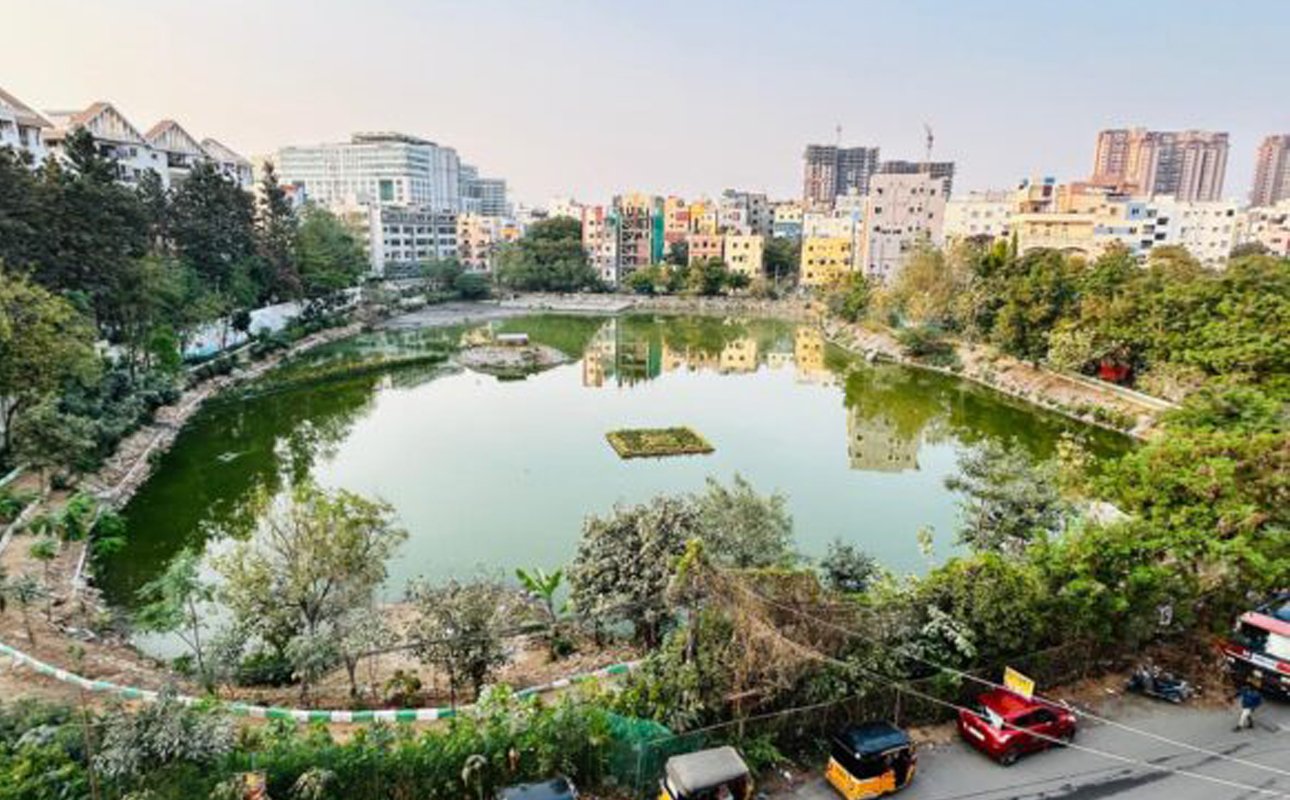

By Dhruvansh NGO | Urban Lake Restoration | Gachibowli, Hyderabad
Introduction
Urban lakes are essential ecological assets that provide a range of ecosystem services—from groundwater recharge and temperature regulation to habitat for biodiversity. In Hyderabad’s Gachibowli region, one such lake—Barla Kunta Lake—had long suffered from pollution, encroachments, and ecological degradation. However, through scientific intervention, renewable technology, and community involvement, Dhruvansh NGO has successfully revived Barla Kunta Lake, making it a case study in sustainable urban lake restoration.
🔍 Understanding the Problem: What Went Wrong at Barla Kunta Lake?
Like many urban water bodies, Barla Kunta Lake suffered from:
- Sewage inflow from nearby colonies
- Plastic and solid waste dumping
- Encroachments reducing water spread area
- Absence of aquatic vegetation and biodiversity loss
- Stagnant water, resulting in foul odor and mosquito breeding
- No stormwater filtration, allowing pollutants to flow directly into the lake
These issues not only impacted the lake but also posed public health risks and reduced groundwater recharge, affecting the entire Gachibowli neighborhood.
🌱 The Restoration Approach by Dhruvansh NGO
Dhruvansh NGO follows an ecological engineering approach, combining natural processes with modern technology to restore lakes. Their method focuses on long-term sustainability, not just visual beautification.
Here’s how Barla Kunta Lake was transformed:
1. 🌿 Floating Treatment Wetlands (FTWs)
What are they?
FTWs are man-made floating platforms planted with native vegetation. The roots hang in the water, absorbing excess nutrients like nitrates and phosphates, which helps cleanse polluted water.
Benefits:
- Act as natural biofilters
- Support aquatic microhabitats
- Prevent algal blooms
- Improve dissolved oxygen levels
- Aesthetic and educational value
2. ☀️ Solar Floating Aerators
What are they?
These are solar-powered devices that float on water and pump oxygen into the lake. They’re essential in aerating stagnant water, maintaining ecological balance, and preventing the buildup of harmful gases like methane.
Benefits:
- Energy-efficient, using renewable solar energy
- Enhance aquatic life survivability
- Discourage mosquito breeding
- Zero recurring energy costs
3. 🔋 Renewable Energy-Based Restoration Infrastructure
What does it involve?
The lake infrastructure—like walkway lighting, aerators, and monitoring systems—is powered by solar energy. This ensures the project is both sustainable and climate-friendly.
Benefits:
- Minimizes carbon footprint
- Promotes green energy adoption
- Reduces dependency on the grid
4. 🌧️ Stormwater Management & Treatment
Problem addressed:
Previously, untreated rainwater and runoff carried pollutants and sediment directly into the lake.
Solution implemented:
- Constructed stormwater inlets with filtration chambers
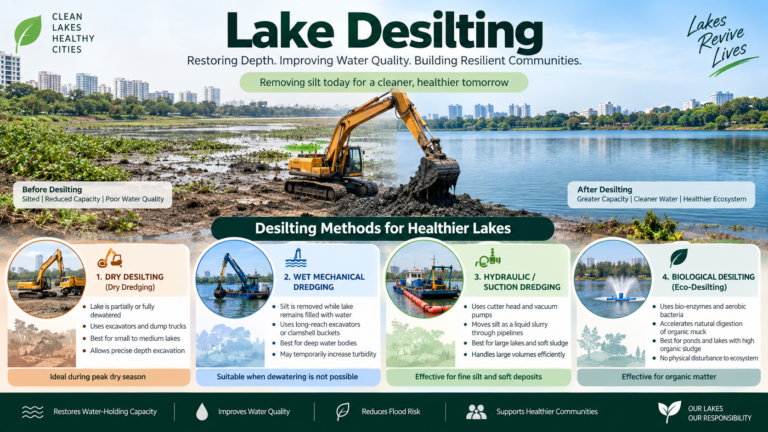
- Installed silt traps and debris screens
- Diverted drain water away from the lake
Benefits:
- Reduced water contamination
- Controlled erosion and sedimentation
- Improved water quality after every rain
5. 🐟 Aquatic Biodiversity Enhancement
Why it matters:
Healthy lakes must support a balanced food chain—from microorganisms to birds and fish.
Dhruvansh’s action:
- Reintroduced native fish and aquatic plants
- Planted submerged and emergent vegetation
- Created bird nesting zones and floating islands
Benefits:
- Re-establishes natural ecological cycles
- Supports migratory birds and local species
- Makes the lake a learning site for students and nature lovers
📊 Measurable Impact of the Restoration
Since restoration began, Barla Kunta Lake has shown:
| Indicator | Before Restoration | After Restoration |
| Water quality | Poor (High BOD) | Improved significantly |
| Biodiversity | Low | High (birds, fish) |
| Groundwater levels | Declining | Stabilized |
| Community engagement | Minimal | High participation |
| Temperature regulation | Negligible | Cooler microclimate |
📚 Educational & Community Engagement
Dhruvansh NGO integrates public awareness and education into every project:
- Conducted school eco-workshops on water conservation
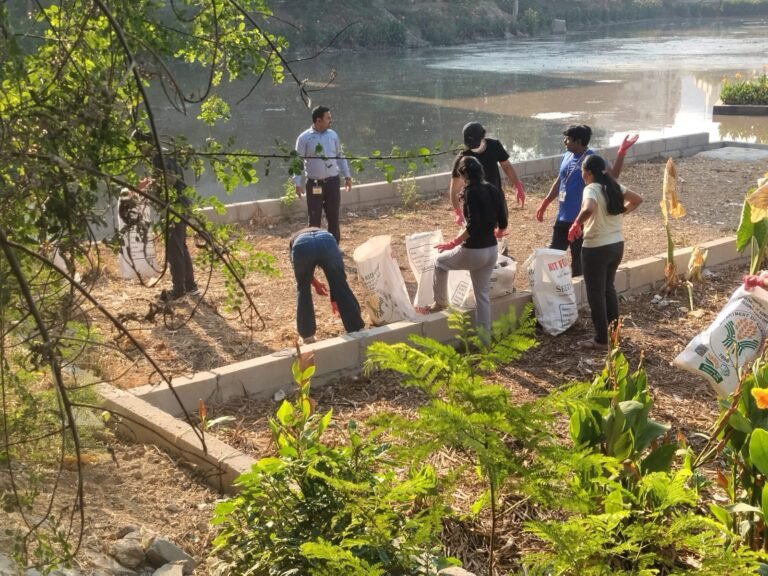
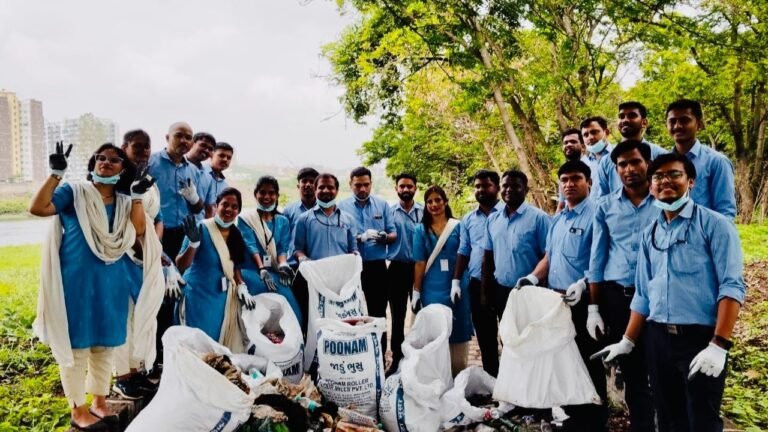
- Organized clean-up and plantation drives with volunteers
- Installed QR-coded information boards explaining the lake’s ecology
- Promoted citizen science with water testing and biodiversity surveys
This ensures that the lake is not only restored—but also protected and valued by future generations.
Common Questions about Barla Kunta Lake
What is the location of Barla Kunta Lake?
Barla Kunta Lake is situated in the Gachibowli area of Hyderabad, Telangana.
Who restored the lake?
Dhruvansh NGO, an environmental non-profit known for its award-winning lake restoration work.
What technologies were used in this restoration?
Floating Treatment Wetlands, Solar Aerators, Stormwater Filters, Biodiversity Zones, and Solar-Powered Lighting.
Why is this restoration important?
It improves water quality, enhances biodiversity, prevents floods, recharges groundwater, and improves urban climate.
Can the public visit the lake?
Yes, the lake is open to visitors. It’s also a site for eco-learning and community activities.
🧭 Conclusion: A Blueprint for Future Cities
Barla Kunta Lake’s transformation is more than an environmental success—it’s a blueprint for climate-resilient cities. Through scientific restoration, renewable energy, and local engagement, Dhruvansh NGO has proven that urban lakes can thrive again.
By investing in lakes, we invest in cleaner air, richer biodiversity, better health, and a future our children can breathe in.
🙌 How You Can Contribute
Whether you’re a resident, student, teacher, or policymaker—your involvement matters.
You can:
- 🌱 Volunteer in clean-up and eco-restoration events
- 📢 Raise awareness in your community
- 💡 Support with funds or resources for sustainability tools
- 🏫 Host workshops and eco-visits for schools
- 📸 Document and share your experiences to inspire more changemakers
📬 Stay Connected with Dhruvansh NGO
For updates, volunteering, and restoration reports:
🔗 Website: http://dhruvansh.org/
📧 Email: info@dhruvansh.org
📍 Gachibowli, Hyderabad