


Urban lakes are among the most important yet most vulnerable ecosystems in growing cities. They store rainwater, recharge groundwater, support biodiversity, regulate temperature, and offer green spaces for communities. However, rapid urbanisation, pollution, and neglect have pushed many such lakes into severe ecological decline. Barlakunta Lake, located in the heart of Gachibowli, Hyderabad, was once one such waterbody on the brink of collapse.
Today, its story is changing. Through sustained, science-based restoration and strong community involvement, Barlakunta Lake is undergoing a remarkable ecological transformation. What was once a polluted and struggling lake is slowly turning into a living, breathing ecosystem again.
A Lake Under Pressure in a Fast-Growing City
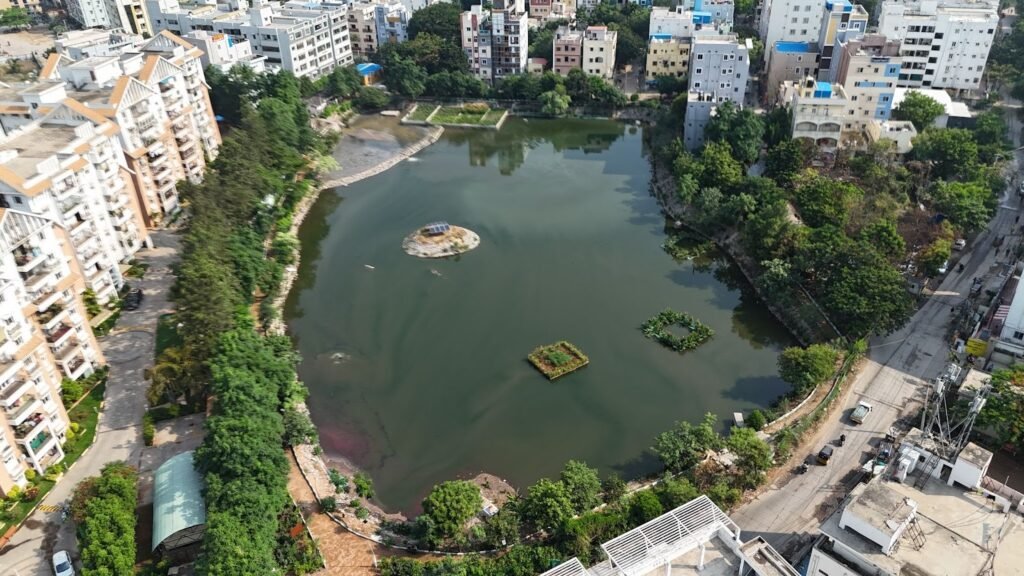
Gachibowli is one of Hyderabad’s fastest-developing regions. Over the years, Barlakunta Lake found itself surrounded by expanding residential areas, roads, and commercial activity. With growth came pressure. Untreated sewage inflow, plastic dumping, construction debris, and the spread of invasive weeds gradually destroyed the lake’s natural balance.
The water quality deteriorated. Thick vegetation choked the surface, blocking sunlight and oxygen. Native fish species declined. Bird activity reduced significantly. The lake, which once played a crucial role in local water management and biodiversity, slowly became a stagnant, polluted waterbody.
Like many urban lakes, Barlakunta faced a familiar threat: being forgotten.
Recognising the Ecological Importance of Barlakunta Lake
Despite its condition, Barlakunta Lake still held immense ecological value. Urban lakes, even in degraded states, have the potential to recover when given the right care. They serve as:
- Natural stormwater storage systems
- Groundwater recharge zones
- Biodiversity habitats
- Urban cooling buffers
Dhruvansh NGO recognised that restoring Barlakunta Lake was not just about cleaning water—it was about reviving an entire ecosystem that supports both nature and people.
A Science-Based and Nature-Led Restoration Approach
Rather than relying on short-term cosmetic fixes, Dhruvansh adopted a long-term, ecological restoration strategy. The focus was on helping the lake heal itself using natural processes.
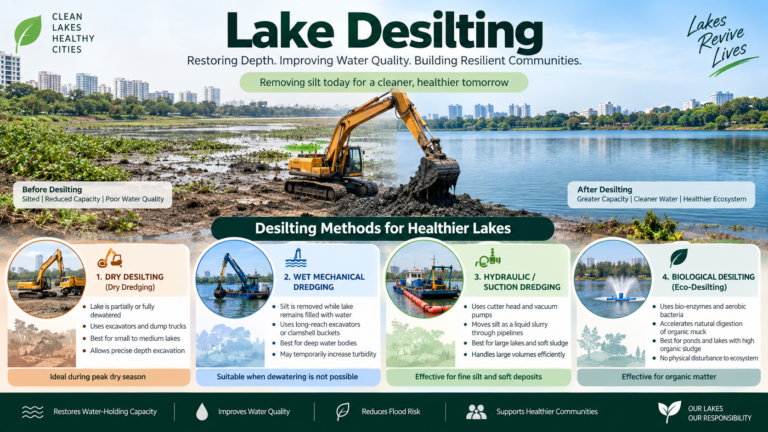
The first phase involved systematic waste removal and clearing of invasive vegetation that was blocking sunlight and oxygen circulation. This allowed the lake to begin breathing again. Desilting and shoreline cleanup helped improve water-holding capacity and reduce pollution sources.
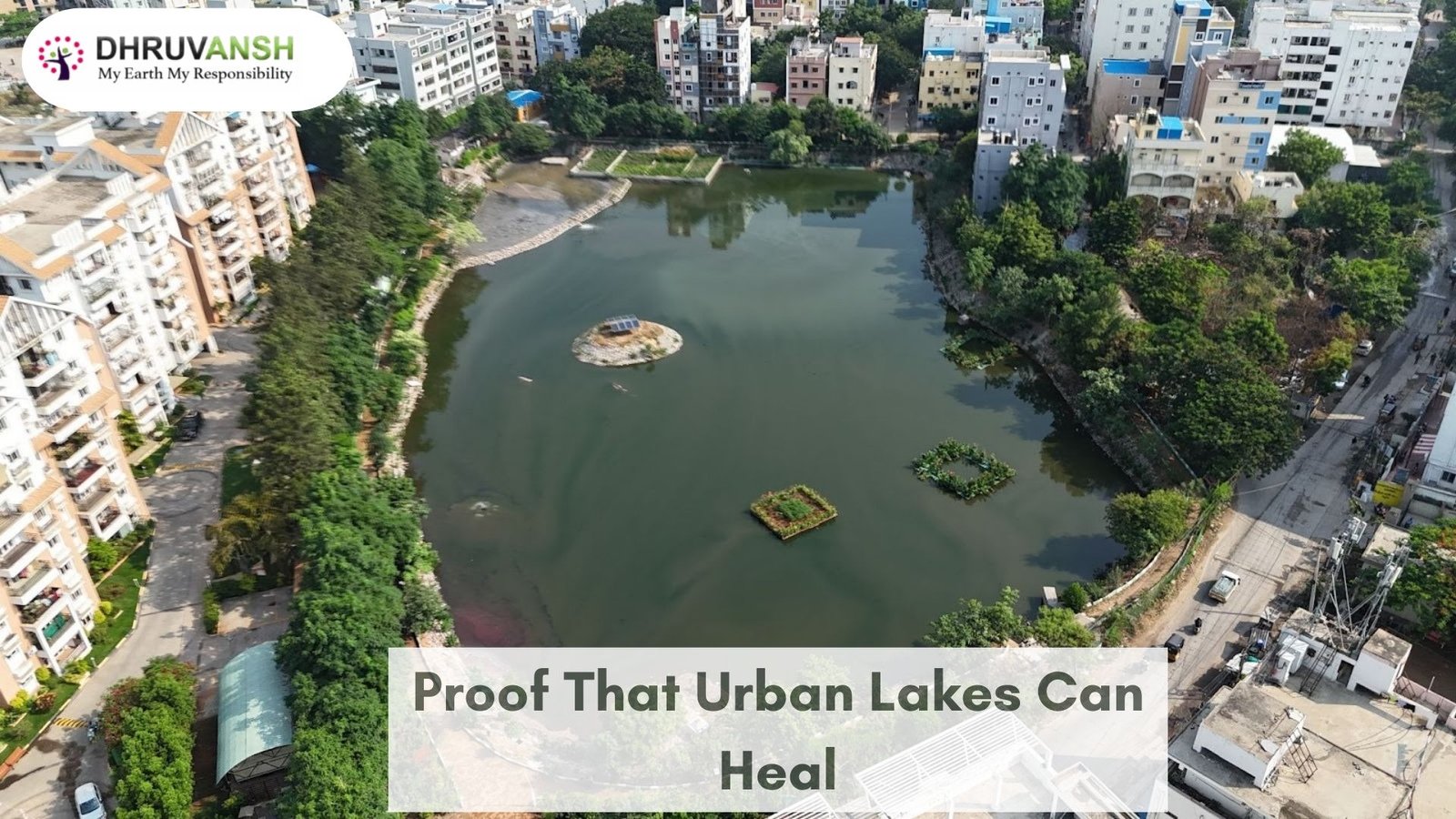
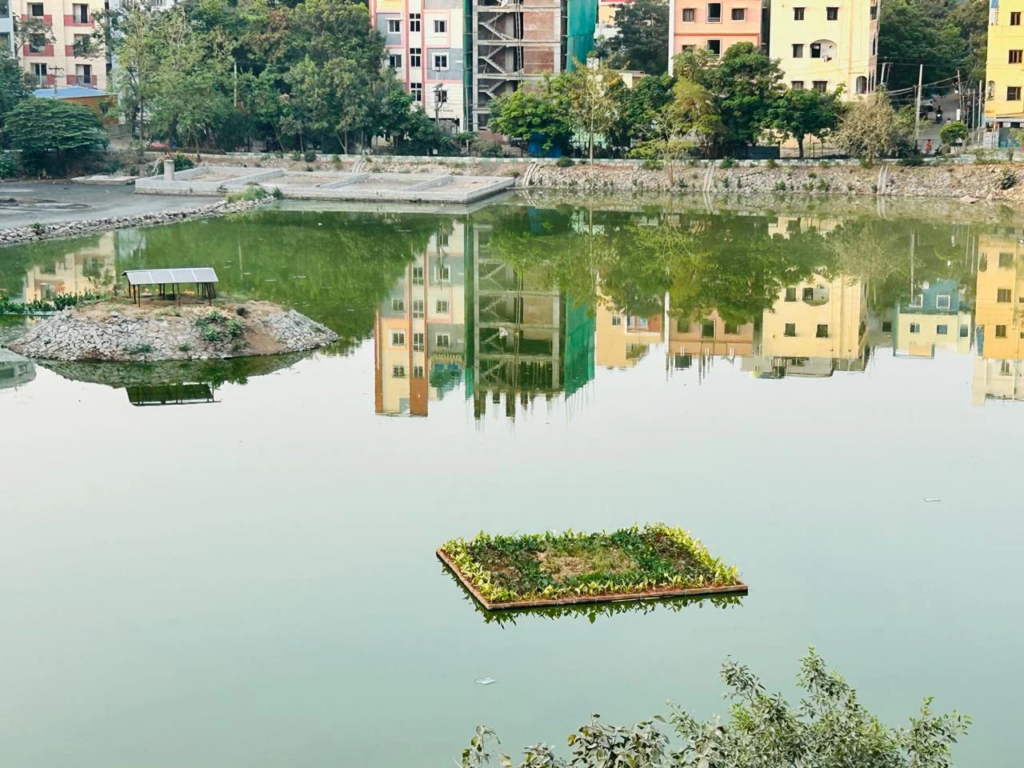
Next came nature-based solutions. Floating Treatment Wetlands (FTWs) were introduced to improve water quality through plant-root filtration. Native plant species were planted along the lake edges to stabilise soil, prevent erosion, and create natural filtration zones. These plants also provide shelter and breeding grounds for insects, birds, and aquatic organisms.
Instead of forcing change, the restoration process worked with nature, allowing ecological systems to slowly re-establish themselves.
The Gradual Return of Life
One of the most encouraging signs of recovery has been the return of biodiversity. As water quality improved, small aquatic organisms began to reappear. Insects returned to the wetland plants. Slowly, bird species started visiting the lake again.
These changes may seem small, but they are powerful indicators of ecological recovery. In nature, when the smallest organisms return, larger life forms soon follow. Barlakunta Lake is now gradually rebuilding its food chain and habitat structure, which is essential for long-term sustainability.
The water has become visibly clearer in several stretches. Green buffers are forming along the edges. The lake is no longer silent—it is once again showing signs of movement and life.
Community Participation: The Heart of the Revival
No lake can survive on technology alone. People are the true guardians of urban ecosystems. One of the strongest pillars of Barlakunta’s revival has been community participation.
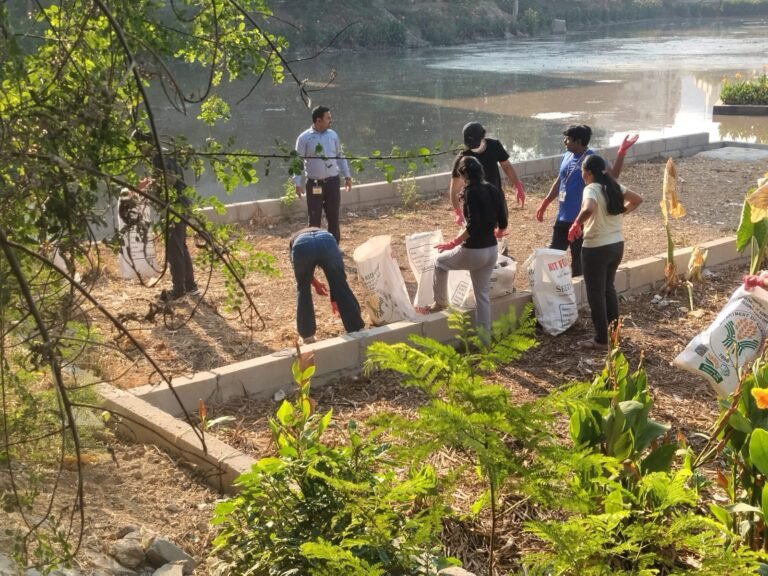
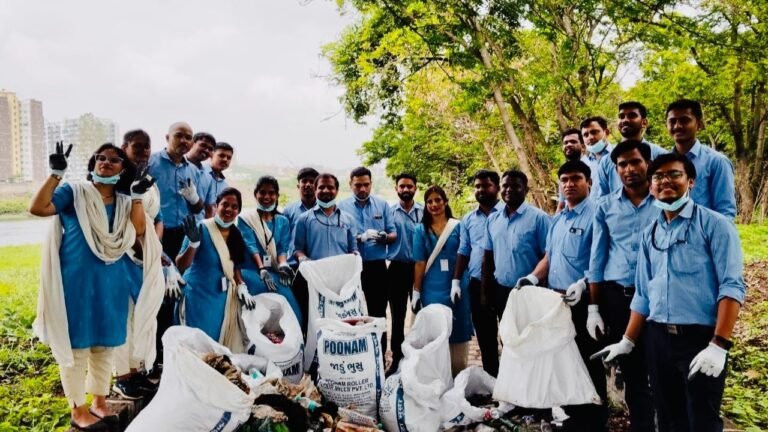
Local residents, students, and corporate volunteers regularly join clean-up drives and plantation activities. Their presence ensures that the lake does not fall back into neglect. More importantly, it creates a strong emotional connection between the community and the lake.
When people invest their time and effort into restoring a place, they naturally begin to protect it. This sense of ownership is what transforms restoration projects into lasting success stories.
Why Barlakunta Lake Matters for Hyderabad
Barlakunta Lake’s recovery is not just a local success—it is a model for urban lake restoration across Hyderabad and other cities.
A healthy lake provides:
- Better stormwater management during heavy rains
- Groundwater recharge for surrounding areas
- Cooling of local microclimate
- Habitat for birds, fish, and insects
- Cleaner air and greener public spaces
As climate change increases the frequency of extreme weather, functional urban lakes are no longer optional—they are essential infrastructure.
From Waterbody to Living Ecosystem
What makes Barlakunta’s transformation special is that it is not being restored as a decorative landscape feature. It is being rebuilt as a living ecosystem—one that can sustain itself, support biodiversity, and serve the community for decades to come.
This shift in thinking—from lake beautification to lake regeneration—is what sets Dhruvansh NGO’s approach apart.
A Story of Hope and Responsibility
Barlakunta Lake’s journey proves something powerful: even severely degraded urban lakes can recover when given care, patience, and scientific planning.
Its transformation also sends a strong message. Urban development and nature do not have to be enemies. With the right vision, cities can grow while still protecting their ecological foundations.
The Road Ahead
While much progress has been made, lake restoration is never a one-time effort. Continuous monitoring, maintenance, and community involvement are essential to ensure that Barlakunta Lake continues to thrive.
Dhruvansh NGO remains committed to this long-term stewardship—because true restoration is not about finishing a project, it is about securing a future.
Conclusion: A Lake That Teaches Us What Is Possible
From pollution to revival, from neglect to care, from silence to life—Barlakunta Lake stands today as a powerful example of what can be achieved when science, community, and nature work together.Its ecological comeback is not just a success story for one lake. It is a blueprint for how cities can heal their relationship with nature—one lake at a time.