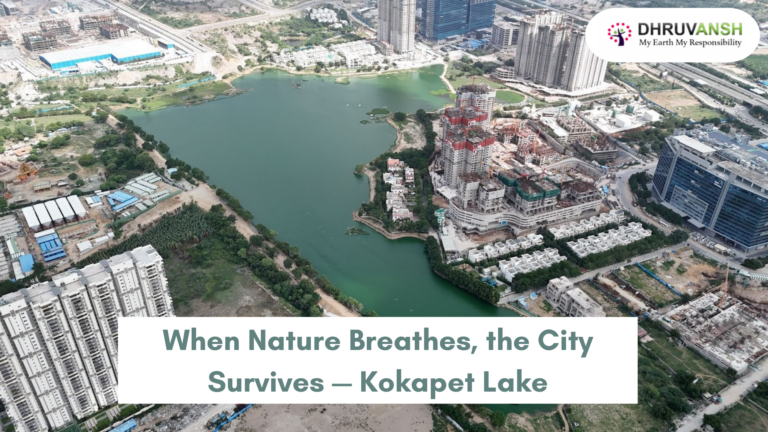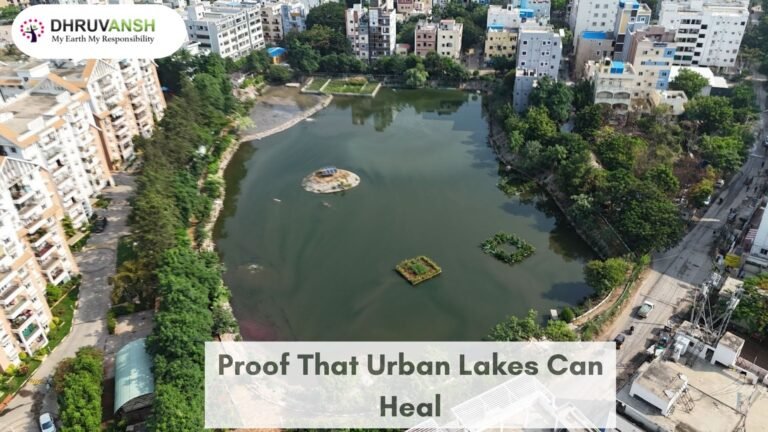


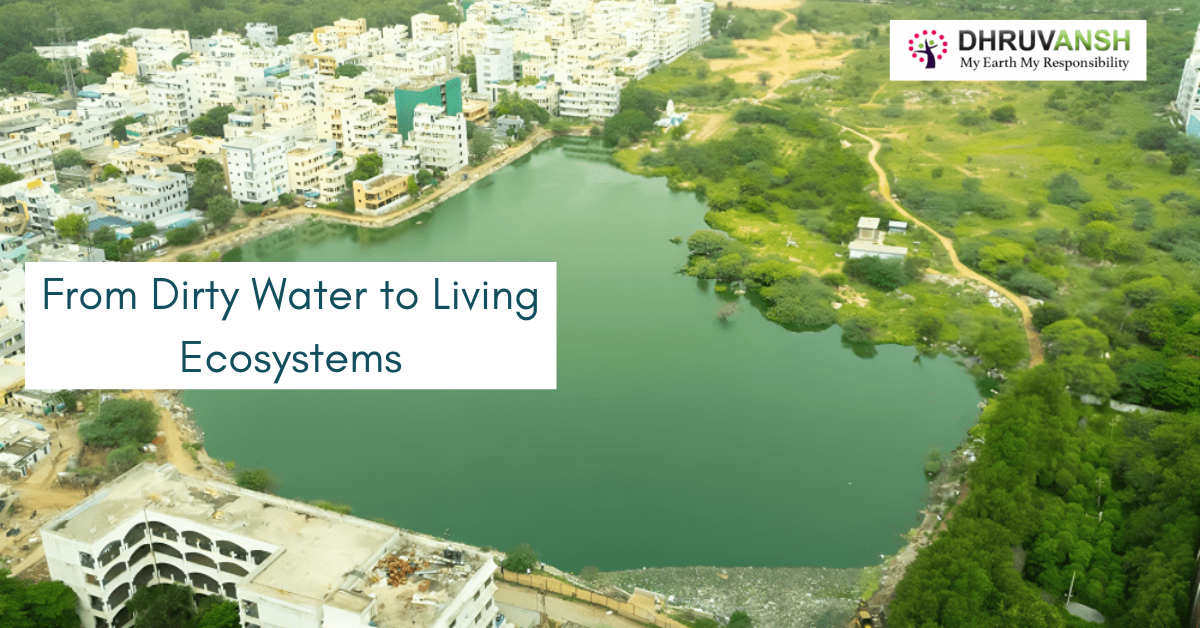

Urban lakes play a vital role in cities like Hyderabad. They recharge groundwater, support biodiversity, regulate local climate, and provide much-needed green spaces for communities. Yet, many urban lake rejuvenation efforts stop at surface-level cleanup drives—temporary solutions that fail to address long-term sustainability.
Dhruvansh NGO is redefining lake restoration in Hyderabad by moving beyond one-time cleanups. Through a holistic, science-backed, and community-driven approach, the organization is creating self-sustaining urban lakes that remain healthy, functional, and protected for generations to come.
Why Short-Term Lake Cleanups Fail
Across Hyderabad and other Indian cities, lakes are often revived through desilting or waste removal drives. While these efforts bring short-term visual improvement, many lakes soon fall back into neglect due to:
- Continued dumping of solid waste
- Unchecked sewage and stormwater inflow
- Poor water circulation and stagnation
- Lack of community ownership
- Absence of long-term maintenance planning
Without sustainable lake management strategies, restored lakes quickly deteriorate into polluted, lifeless water bodies.Recognizing this challenge, Dhruvansh NGO focuses on sustainability-first urban lake restoration, ensuring long-lasting ecological and social impact rather than temporary results.
Designing Urban Lakes for Long-Term Sustainability
Every lake rejuvenation project by Dhruvansh NGO is designed with the future in mind. The focus is on resilience, ecological balance, and easy maintenance.
1. Integrated Waste Management Controls
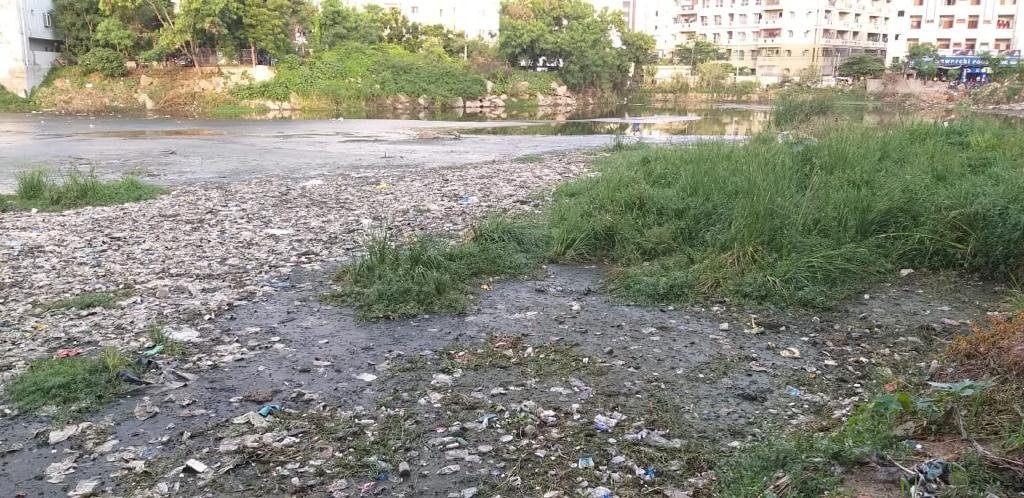
Preventing pollution is far more effective than repeated cleanups. Dhruvansh NGO implements:
- Controlled access points to prevent waste dumping
- Designated waste collection zones around lake boundaries
- Clearly marked no-dumping buffer areas
These measures significantly reduce solid waste inflow and help maintain water quality over time.
2. Natural Water Circulation and Aeration
Water stagnation is a major cause of lake degradation. To address this, Dhruvansh NGO incorporates:

- Natural inflow and outflow channels
- Floating aeration systems where required
- Lake layouts that promote continuous water movement
Improved circulation increases dissolved oxygen levels, reduces foul odors, and supports aquatic life—key indicators of a healthy lake ecosystem.
3. Pollution-Prevention Green Buffers
Vegetative buffer zones act as natural filters between urban development and water bodies. Dhruvansh NGO develops:
- Green belts using native plant species
- Soil stabilization zones to reduce erosion
- Bio-filtration areas that absorb pollutants before they enter the lake
These buffers play a critical role in protecting lakes from urban runoff and long-term pollution.
Together, these design elements ensure that restored lakes do not revert into dumping grounds, but evolve into resilient and self-sustaining ecosystems.
Community-Friendly Infrastructure: Lakes People Care For
A lake survives when people connect with it. Dhruvansh NGO strongly believes that community engagement is the most powerful form of lake protection.
Walking and Cycling Tracks Around Lakes
Well-planned walking and cycling tracks encourage daily use by local residents. These tracks:
- Promote healthy and active lifestyles
- Increase regular footfall around the lake
- Create a sense of shared ownership
When people use lake spaces every day, they naturally become protectors of the environment.
Green Seating and Recreational Zones
Thoughtfully designed seating areas allow families, senior citizens, and visitors to relax and enjoy nature. These zones are:
- Integrated into the natural landscape
- Designed to minimize ecological disturbance
- Ideal for quiet recreation and community interaction
Such infrastructure transforms neglected lakes into vibrant public spaces.
Educational Signage on Lake Ecology
Awareness leads to responsibility. Dhruvansh NGO installs educational boards that explain:
- The role of lakes in urban ecosystems
- Local biodiversity and native species
- Do’s and don’ts for lake conservation
These signs turn casual visits into learning experiences and encourage responsible behavior.
Education & Awareness: Creating Future Lake Guardians
Long-term lake sustainability depends on awareness and education. Dhruvansh NGO invests heavily in environmental education and outreach programs.
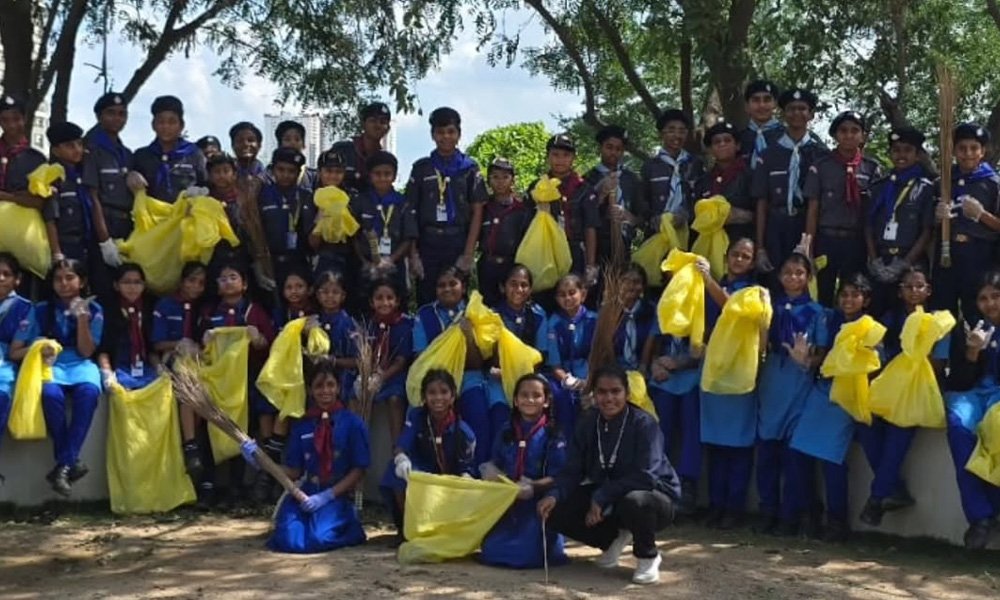
School Lake Awareness Programs
Students participate in hands-on learning sessions covering:
- Lake hydrology and the water cycle
- Urban biodiversity and food chains
- Sources and impacts of water pollution
- Sustainable water management practices
Early exposure helps children develop a lifelong respect for nature.
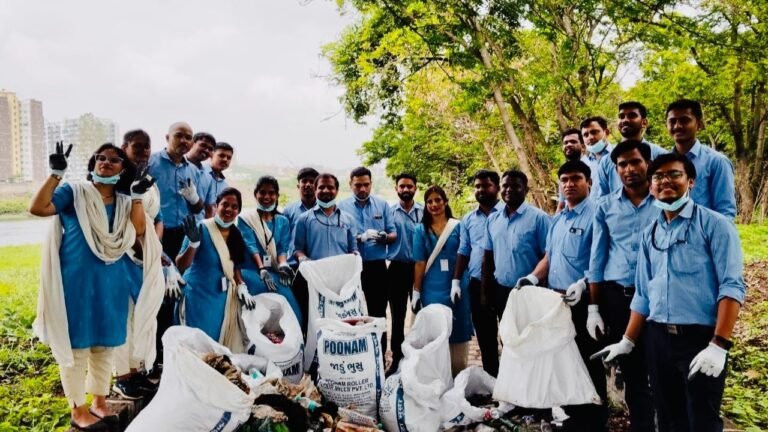
Clean Lake Days and Community Drives
Regular clean lake days involve residents, volunteers, and students. These initiatives:
- Encourage collective responsibility
- Strengthen community–lake relationships
- Promote long-term behavioral change
Environmental Workshops
Dhruvansh NGO conducts workshops on:
- Waste segregation and plastic reduction
- Water conservation techniques
- Urban biodiversity protection
These programs ensure that environmental responsibility extends beyond the lake into daily life.
Impact of Sustainable Lake Restoration in Hyderabad
The benefits of Dhruvansh NGO’s lake restoration projects extend well beyond the water body itself:
- Improved groundwater recharge
- Enhanced urban biodiversity
- Reduction in the urban heat island effect
- Healthier recreational and green spaces
- Stronger community engagement
Most importantly, these lakes become living models of sustainable urban development.
Setting a Benchmark for Urban Lake Restoration in India
Dhruvansh NGO’s approach proves that lake rejuvenation is not just about cleaning water—it is about designing systems that sustain themselves. By combining environmental science, sustainable infrastructure, and community participation, the organization is setting a new benchmark for urban lake restoration in Hyderabad.
As cities continue to grow, such sustainable models are no longer optional—they are essential for a healthier urban future.