


A Cultural Evening by the Lake
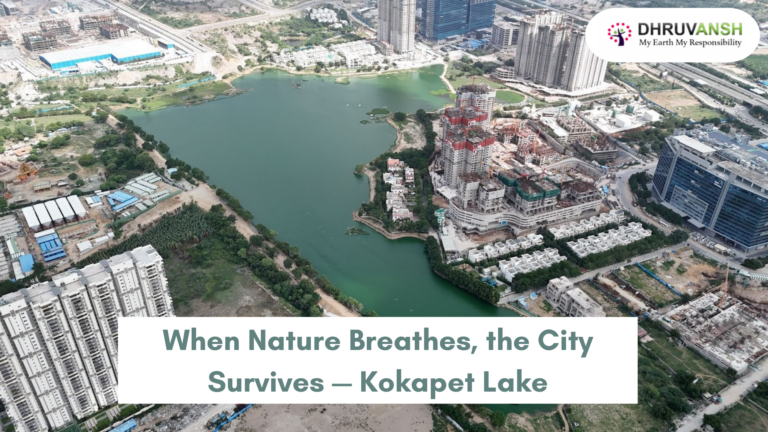
On December 14, Kotha Cheruvu, located in Kokapet, transformed into a vibrant cultural and community space through the Parampara Series, a thoughtfully curated initiative by Dhruvansh. Set beside the tranquil waters of the lake, the event brought together classical art, local residents, and nature, creating a rare and meaningful public experience that went far beyond a conventional cultural performance.
The evening demonstrated how cultural activities, when placed in natural public spaces, can deepen community connection while also renewing people’s relationship with urban lakes. By hosting the event in an open, accessible lakeside setting, the Parampara Series offered an inclusive platform where art could be experienced by everyone—families, students, artists, and local residents alike.
A Cultural Evening by the Lake
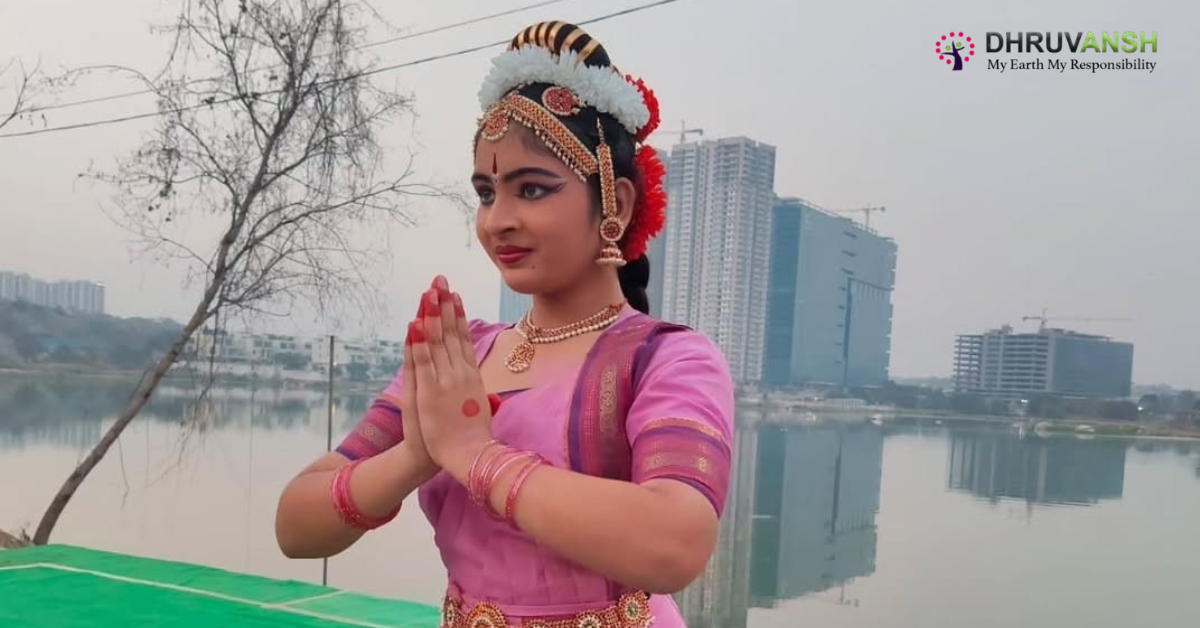
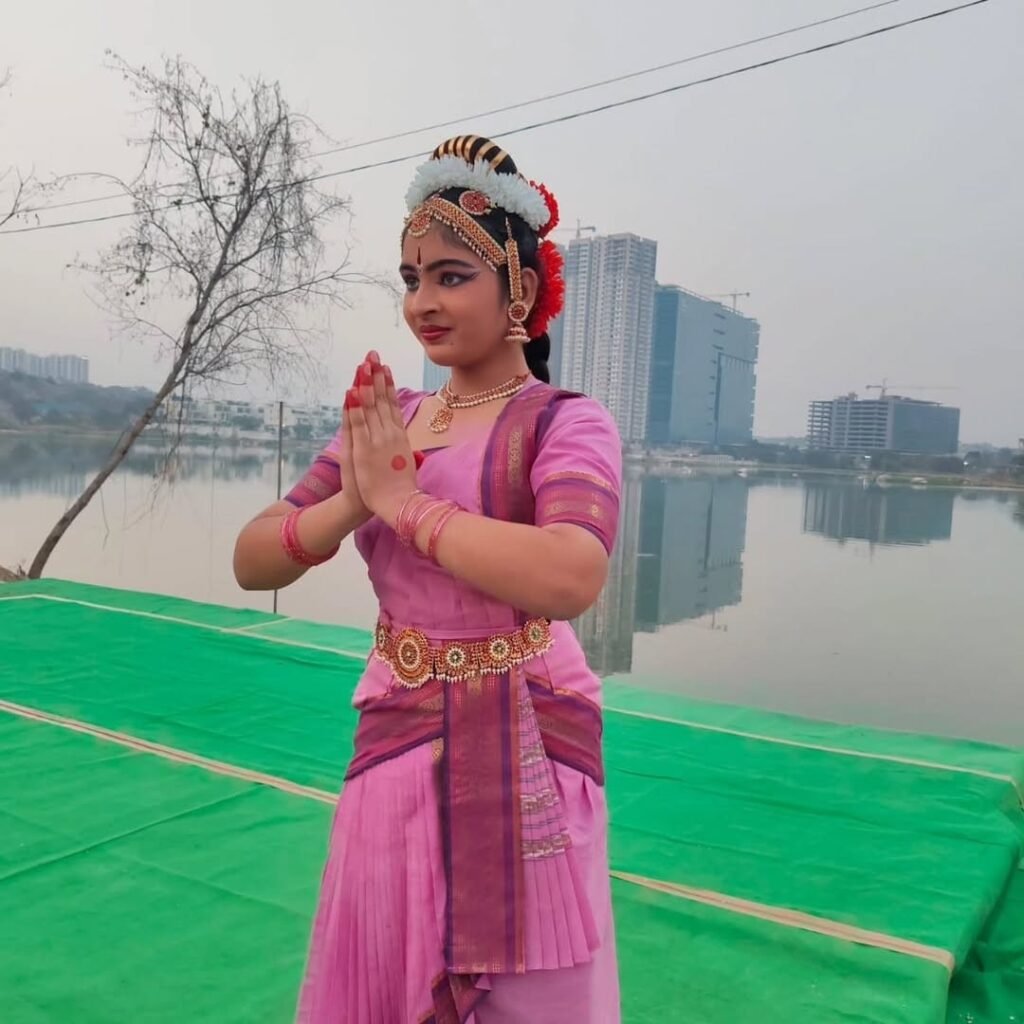
Unlike performances held in enclosed auditoriums, the Parampara Series at Kotha Cheruvu unfolded in the open air, with the calm lake waters forming a serene backdrop. As dusk settled in, the lakeside atmosphere created a sense of calm and attentiveness, allowing the audience to slow down and fully engage with the performances.
The choice of Kotha Cheruvu as the venue was intentional. Urban lakes are often seen merely as water bodies or neglected spaces, but this event reframed the lake as a living public asset—a place for community gathering, cultural exchange, and shared experiences. The setting itself played an active role in the evening, reminding attendees of the lake’s importance as both an ecological and social space.
Classical Dance at the Heart of the Event 💃
Classical dance formed the core of the Parampara Series, showcasing the richness of Indian artistic traditions rooted in discipline, storytelling, and expression. Each performance reflected years of training and cultural heritage, while the lakeside setting added a unique emotional and visual depth.
Against the gentle sounds of nature and the stillness of the water, the movements, rhythms, and expressions of the dancers resonated more profoundly. The performances demonstrated how classical art forms can thrive outside formal stages, becoming more approachable and immersive for wider audiences. For many attendees, this was a rare opportunity to experience classical dance in a relaxed, natural environment rather than a ticketed indoor venue.
Strong Community Participation
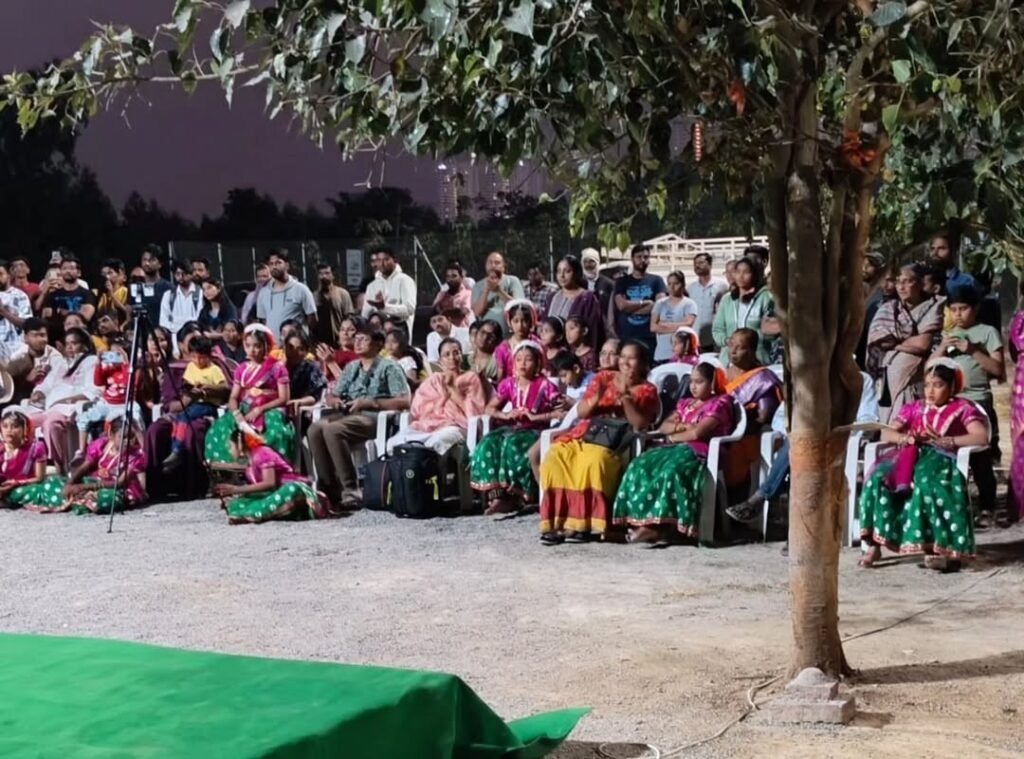
One of the most striking aspects of the event was the enthusiastic participation from the local community. Residents from Kokapet and nearby areas attended with their families, while students, artists, and cultural enthusiasts gathered in large numbers. The open nature of the event encouraged spontaneous participation, with people stopping by, sitting together, and engaging freely with the performances.
The lakeside environment fostered interaction—not just between performers and audiences, but also among community members themselves. Conversations flowed easily, children observed the performances with curiosity, and families shared the experience together. This collective presence reinforced the idea that public spaces, when activated thoughtfully, can become powerful platforms for community bonding.
Reconnecting the Community with Kotha Cheruvu 🌊
A central objective of the Parampara Series was to reconnect people emotionally with Kotha Cheruvu. Over time, many urban lakes become disconnected from daily community life, viewed only as background infrastructure or, in some cases, neglected spaces. By hosting a cultural event at the lake, Dhruvansh highlighted how meaningful activities can renew people’s sense of ownership and responsibility toward such places.
Experiencing art by the lake allowed attendees to see Kotha Cheruvu differently—not just as a waterbody, but as a shared space worth caring for and protecting. This emotional reconnection plays a vital role in long-term conservation, as people are more likely to safeguard places they feel personally connected to.
Culture as a Tool for Environmental Awareness
While the Parampara Series was a cultural event, its impact extended into the realm of environmental awareness. Without formal speeches or campaigns, the setting itself conveyed a powerful message: nature and culture can coexist and enrich one another.
By drawing people to the lake for a positive, memorable experience, the event subtly encouraged reflection on the importance of preserving urban natural spaces. Attendees left not only with an appreciation for classical dance, but also with a renewed awareness of the lake’s value and the role communities play in protecting it.
A Thoughtful Cultural Initiative
More than a single evening of performances, the Parampara Series at Kotha Cheruvu stood as a thoughtful community engagement initiative. It illustrated how cultural programming can breathe new life into public spaces, making them safer, more inclusive, and more meaningful.
The initiative aligned with Dhruvansh’s broader vision of integrating community participation with environmental stewardship. By using art as a medium, the organization demonstrated an alternative and impactful approach to engaging citizens—one that is welcoming, non-intrusive, and emotionally resonant.
Impact Beyond the Event
The success of the Parampara Series lies not only in attendance numbers, but in the lasting impression it created. Events like these help redefine how communities perceive and use urban lakes. They encourage people to visit, value, and take pride in local water bodies, laying the groundwork for long-term care and protection.
For children and young adults in particular, experiencing cultural events in natural settings can shape lasting memories and foster respect for both art and the environment. Such initiatives play an important role in building a culture of sustainability rooted in everyday community life.
Conclusion: Where Art, Community, and Nature Meet
The Parampara Series at Kotha Cheruvu demonstrated that community engagement does not always require large-scale interventions. Sometimes, thoughtfully bringing people together through culture is enough to transform how a space is perceived and valued.
By uniting classical dance, community participation, and a natural lakeside setting, the event showcased a powerful model for activating urban public spaces. Kotha Cheruvu emerged not just as a lake, but as a shared cultural and social hub—one that inspires connection, care, and collective responsibility.
Through initiatives like this, Dhruvansh continues to show how art and community-driven efforts can play a meaningful role in revitalizing urban lakes and strengthening the bond between people and their environment.