


Urban lakes are often seen as stagnant water bodies that need occasional cleaning. However, true lake revival goes far beyond removing visible waste. It requires restoring ecological balance, enabling natural regeneration, and creating systems that allow lakes to sustain themselves for decades. This is where Dhruvansh NGO stands apart.
Through its innovative lake development model, Dhruvansh NGO has moved from restoration to regeneration, transforming degraded lakes into living ecosystems that support biodiversity, community well-being, and environmental resilience. Their approach blends ecological science, green infrastructure, renewable energy, and public participation—creating lakes that thrive naturally over time.
Why Regeneration Matters More Than Restoration
Traditional lake restoration often focuses on short-term clean-ups—removing plastic waste, debris, or excess weeds. While important, these efforts alone cannot prevent lakes from degrading again. Without addressing root causes such as disrupted water flow, loss of vegetation, and lack of community ownership, lakes remain vulnerable.
Dhruvansh NGO’s regeneration model addresses this gap by focusing on long-term ecological health. The goal is not just to clean a lake but to revive its natural ability to purify water, support life, and recharge groundwater—making the lake resilient to future pressures.
The Regeneration Framework: A Holistic Lake Development Model
At the core of Dhruvansh NGO’s work is a structured regeneration framework that integrates four essential pillars:
1. Ecological Restoration
Each project begins with on-ground assessment of lake boundaries, water inflow and outflow channels, and existing biodiversity. Encroachments, blockages, and invasive growth are addressed to restore the lake’s natural hydrology.
2. Green Infrastructure
Nature-based solutions—such as plantations, buffer zones, and floating ecosystems—are prioritized over concrete-heavy interventions. These green systems work with nature rather than against it.
3. Renewable Energy Integration
Solar-powered lighting and low-energy systems are introduced to reduce dependence on grid electricity, ensuring lakes remain environmentally and economically sustainable.
4. Public Engagement
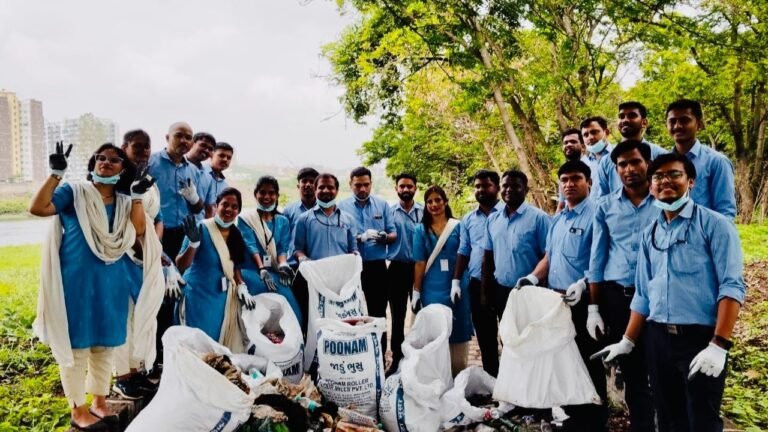
Local residents, students, volunteers, and corporate teams actively participate in restoration activities, creating a sense of shared responsibility and long-term stewardship.
Together, these pillars ensure that lakes are not just revived temporarily but continue to flourish for years to come.
Plantation: The Foundation of Regenerative Lake Ecosystems
Plantation plays a central role in Dhruvansh NGO’s lake regeneration strategy. Native trees, shrubs, and grasses are planted around lake perimeters and buffer zones to restore natural balance.
These plantation zones help to:
- Prevent soil erosion and siltation
- Improve groundwater recharge
- Act as natural filters that trap pollutants
- Provide shelter and food for birds, insects, and aquatic life
Over time, these green belts create a self-sustaining micro-ecosystem where vegetation improves water quality naturally. Native species are carefully selected to ensure low water consumption and high ecological value.
Floating Islands: Nature-Based Solutions for Water Health
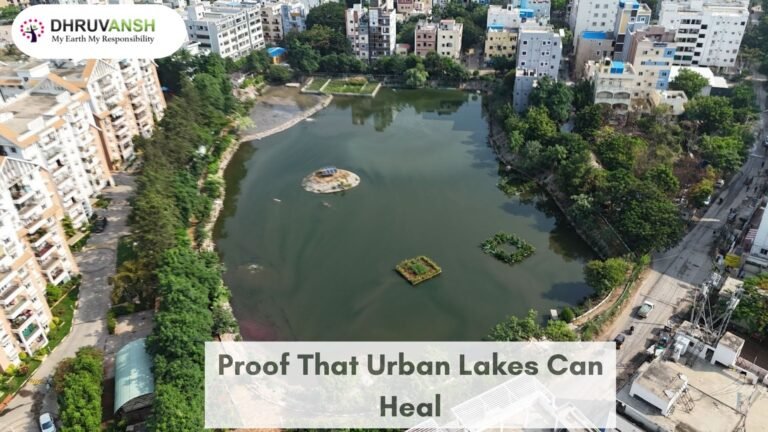
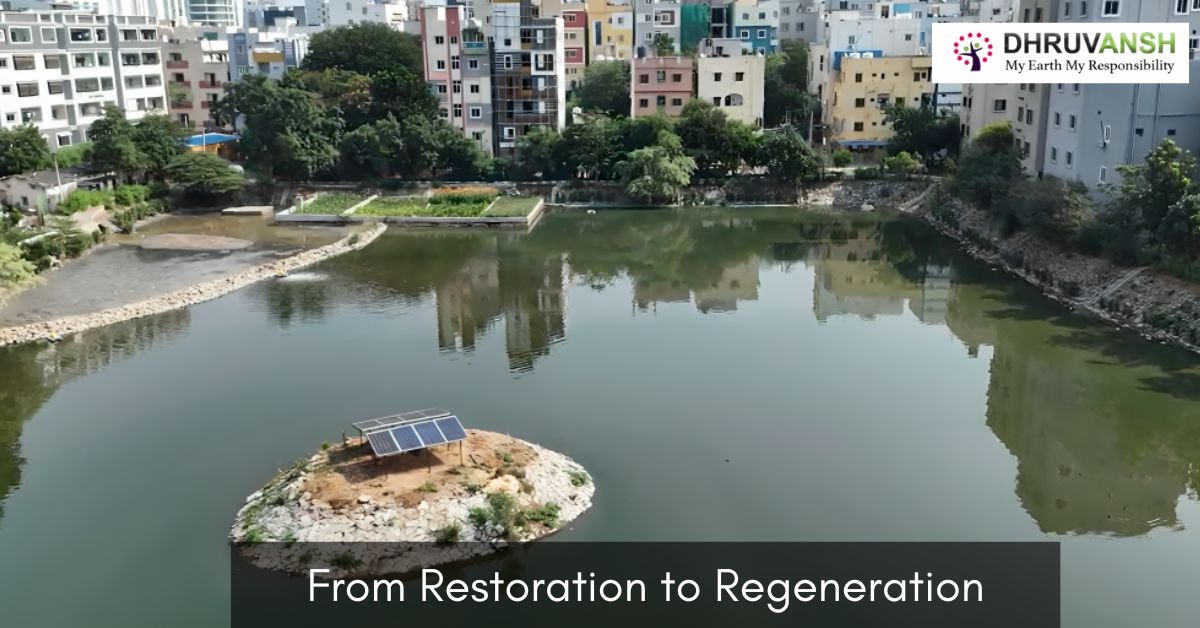
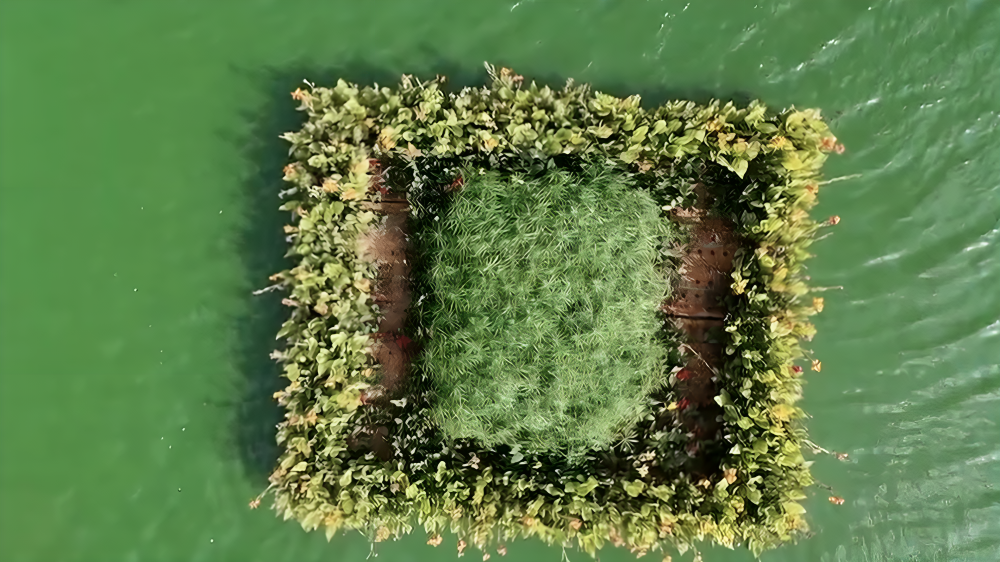
One of the most innovative elements of Dhruvansh NGO’s regeneration model is the installation of floating islands. These floating ecosystems use aquatic plants whose roots hang directly in the water, absorbing excess nutrients and pollutants.
Floating islands help to:
- Improve oxygen levels in water
- Absorb pollutants naturally
- Reduce algal growth
- Create habitats for fish and aquatic organisms
Unlike mechanical treatment systems, floating islands require minimal maintenance and adapt naturally to water conditions. Early observations at regenerated lakes show improved water clarity and increased aquatic activity within months of installation.
Renewable Energy: Making Lakes Energy-Efficient Public Spaces
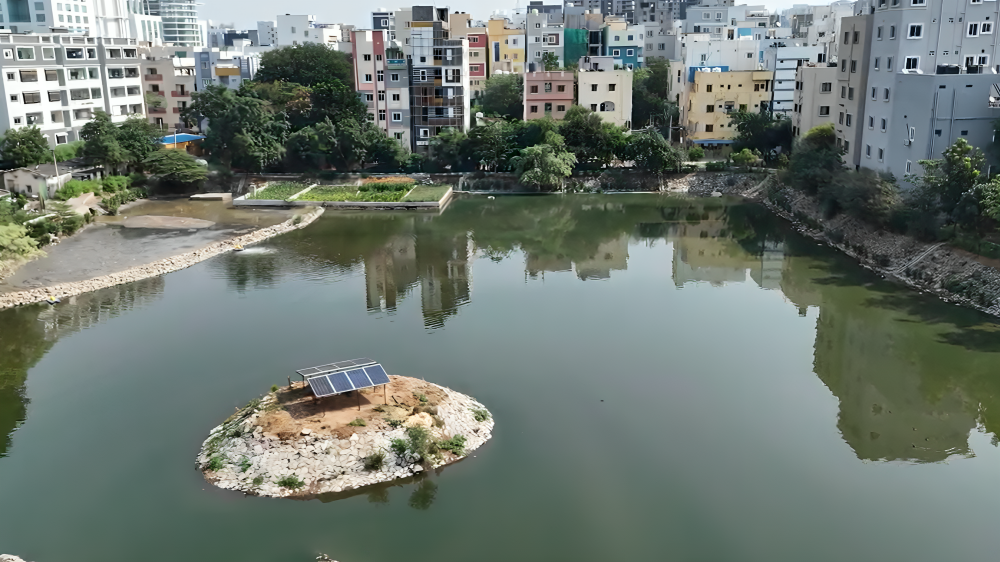
Sustainability also means reducing operational footprints. Dhruvansh NGO integrates solar-powered lighting and systems along lake pathways and public zones. These installations enhance safety and accessibility while minimizing environmental impact.
Solar utilities:
- Reduce reliance on fossil-fuel-based electricity
- Lower long-term maintenance costs
- Demonstrate clean energy adoption in public spaces
By turning lakes into energy-efficient environments, the NGO reinforces the idea that ecological conservation and modern infrastructure can coexist.
Biodiversity Revival: Measuring Real Impact
As regeneration progresses, biodiversity becomes one of the strongest indicators of success. Native plantations, improved water quality, and reduced human disturbance create favorable conditions for life to return.
At regenerated lakes, volunteers and local residents have reported:
- Increased bird sightings
- Growth of aquatic plants and insects
- Improved microclimate around lake zones
These changes signal a healthier ecosystem—one that supports life across multiple levels of the food chain.
Community Engagement: Ensuring Long-Term Protection
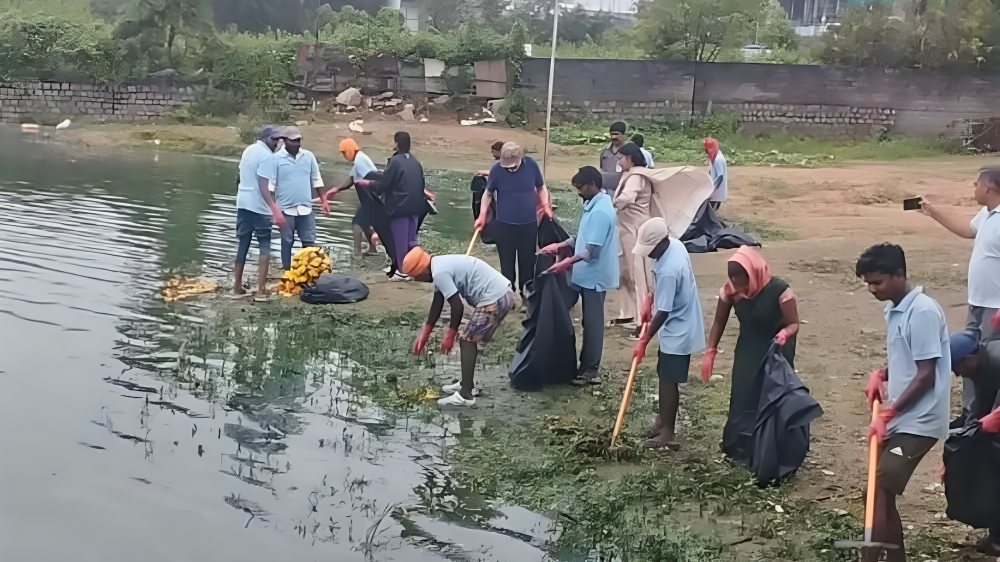
A defining strength of Dhruvansh NGO’s model is its emphasis on community participation. Restoration activities actively involve:
- Local residents
- School and college students
- Corporate volunteers through CSR initiatives
Educational programs teach students about wetlands, biodiversity, and waste management, while volunteers gain hands-on experience in conservation. This engagement creates emotional investment—ensuring lakes are protected long after restoration work is completed.
As one volunteer noted during a lake drive:
“When you help restore a lake yourself, you stop seeing it as someone else’s responsibility. You protect it like it’s your own.”
Building Climate-Resilient Cities Through Regenerative Lakes
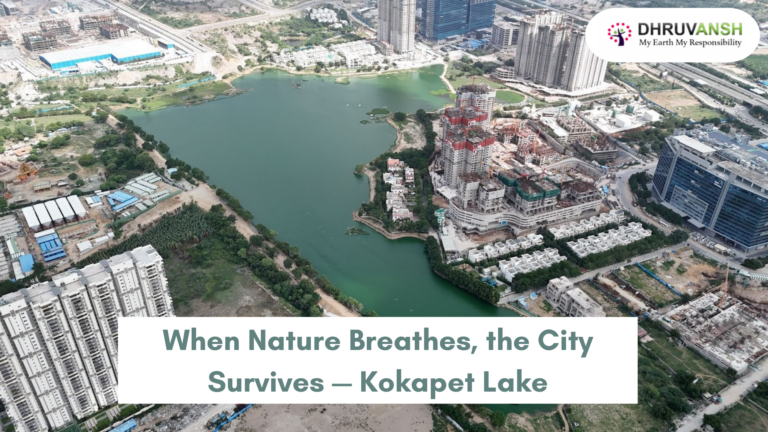
Regenerated lakes play a crucial role in building climate-resilient cities. They help manage stormwater, reduce urban flooding, recharge groundwater, and lower surrounding temperatures. In a rapidly growing city like Hyderabad, such ecosystems are not luxuries—they are necessities.
Dhruvansh NGO’s comprehensive lake development model proves that long-term ecological regeneration is possible when science, sustainability, and community come together.
A Future Rooted in Regeneration
From plantation and floating islands to solar utilities and citizen stewardship, Dhruvansh NGO is redefining what lake development means. Their work demonstrates that lakes can be restored not just as water bodies, but as self-sustaining ecosystems and vibrant public spaces.
As Hyderabad looks toward a sustainable future, regenerative lake models like this offer a clear path forward—where nature is not repaired temporarily, but empowered to heal itself.