


Hyderabad’s lakes have long been the city’s natural lifeline. They recharge groundwater, support biodiversity, regulate local climate, and offer open spaces for communities to connect with nature. However, decades of rapid urbanization, untreated sewage inflow, plastic pollution, and encroachments have pushed many of these water bodies toward ecological collapse.
Today, a meaningful transformation is taking place—led by Dhruvansh NGO, an organization dedicated to restoring Hyderabad’s lakes through long-term ecological planning and community-driven action. Their work at Kokapet Lake, Mushikin Cheruvu, and Barlakunta Lake demonstrates how sustainable lake rejuvenation can revive ecosystems while reconnecting people with their natural surroundings.
Rather than short-term clean-up drives, Dhruvansh NGO is building a future where lakes are treated as living ecosystems—capable of sustaining biodiversity and community life for generations.
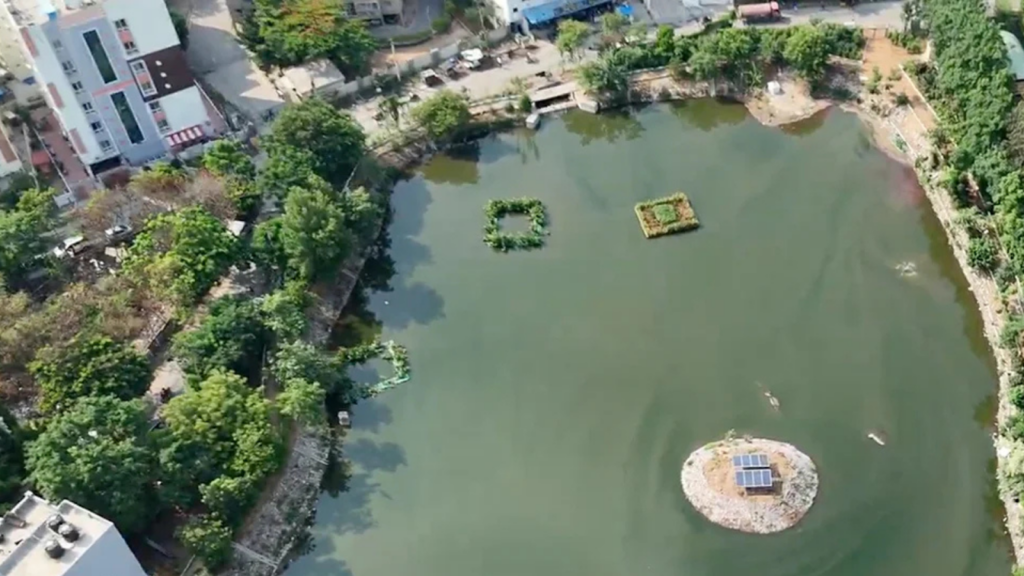
Lakes as Living Ecosystems: A Vision Beyond Clean-Ups
Dhruvansh NGO follows a clear and science-backed philosophy: a lake cannot be restored by waste removal alone. Each rejuvenation project begins with a detailed on-ground ecological assessment, ensuring that restoration efforts are sustainable and future-proof.
The lake revival process typically includes:
- Mapping original lake boundaries and water flow paths
- Removal of plastic waste, debris, and invasive vegetation
- Desilting and clearing blocked inlets and outlets
- Creating green buffer zones using native plant species
By restoring natural hydrology and protecting catchment areas, the NGO ensures that lakes regain their ability to store rainwater, prevent flooding, and support aquatic and bird life.
Three Lakes, One Sustainable Restoration Approach
Kokapet Lake: From Neglect to a Community Green Space
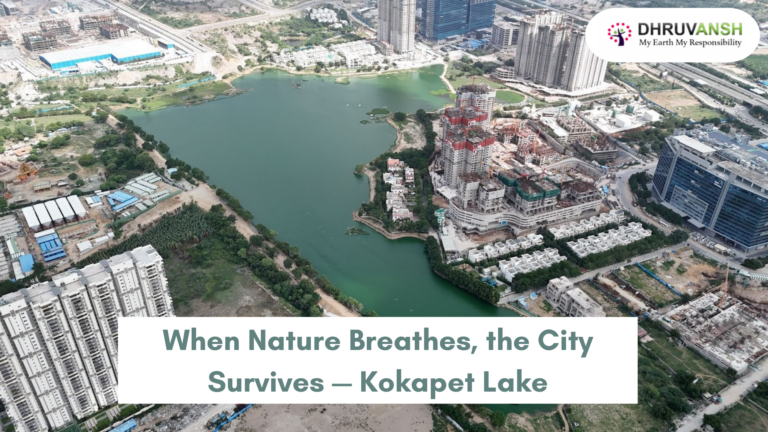
Once severely affected by construction debris and waste dumping, Kokapet Lake is now emerging as a revitalized urban water body. Dhruvansh NGO’s work here has focused on large-scale clean-up drives, shoreline restoration, and the creation of green buffer zones to protect the lake from future pollution.
Today, the lake is becoming more accessible to nearby residents while maintaining ecological balance. Native saplings planted along the periphery help prevent soil erosion and improve water quality. Local families increasingly use the area for nature walks, fostering a renewed relationship between the community and the lake.
Mushikin Cheruvu: Reviving a Forgotten Water Body
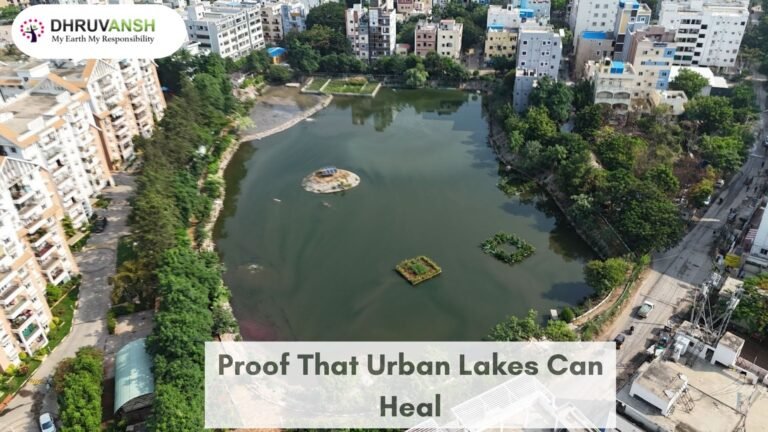
Mushikin Cheruvu was once a neglected lake, heavily choked by weeds and waste. Through consistent clean-up efforts and desilting activities, Dhruvansh NGO has helped transform it into an active ecological zone.
The restoration has improved water retention and created conditions suitable for aquatic life. Bird sightings have gradually increased, signaling early signs of ecological recovery. For local residents, Mushikin Cheruvu is no longer an ignored space—it has become a symbol of what collective environmental responsibility can achieve.
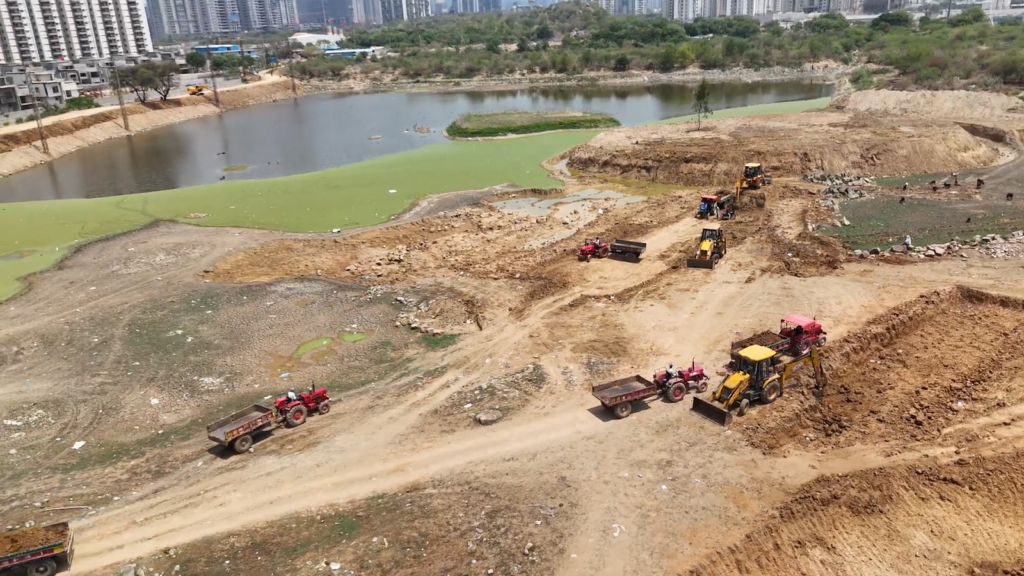
Barlakunta Lake: A Model for Community-Centered Development
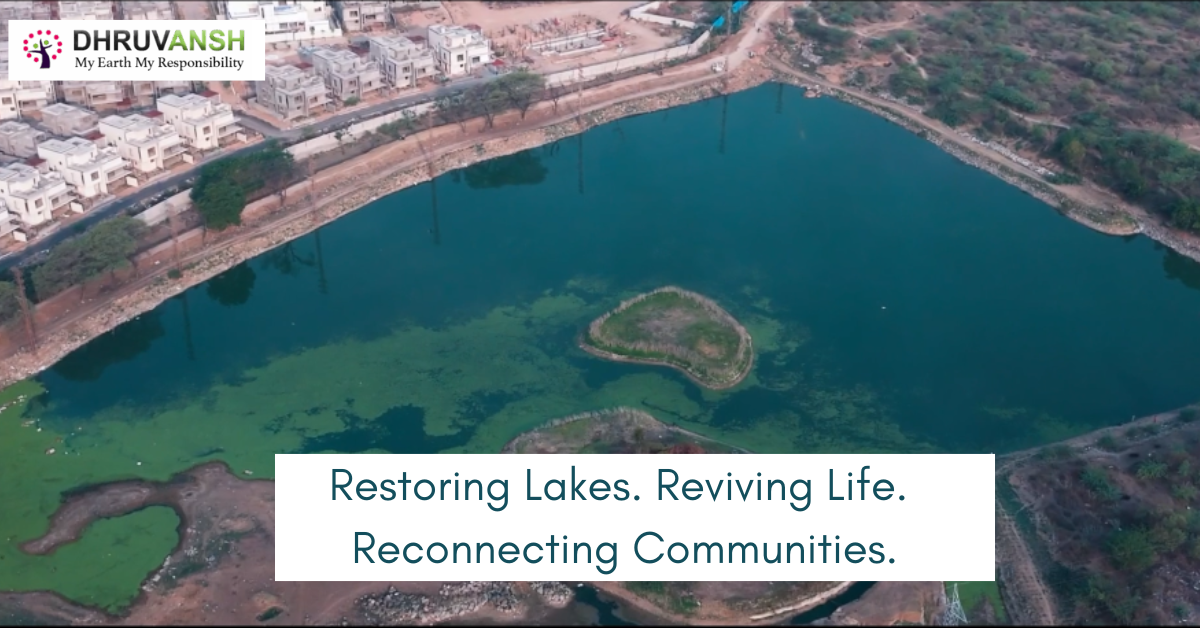
Barlakunta Lake stands out as a strong example of community-friendly lake restoration. Along with waste removal and plantation drives, Dhruvansh NGO has focused on biodiversity enhancement by planting native tree species that support birds, butterflies, and pollinators.
The lake is increasingly being used as a shared public space—where morning walkers, children, and volunteers coexist with thriving natural habitats. This balance between accessibility and conservation reflects the NGO’s belief that people protect what they feel connected to.
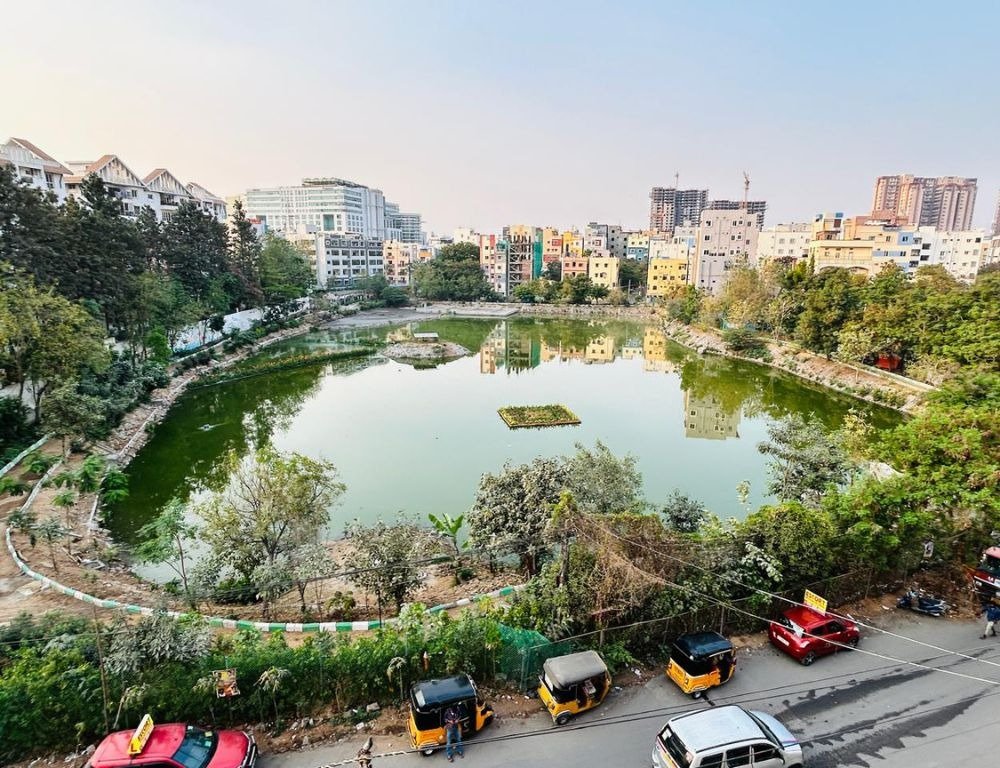
Community Participation: The Heart of Sustainable Change
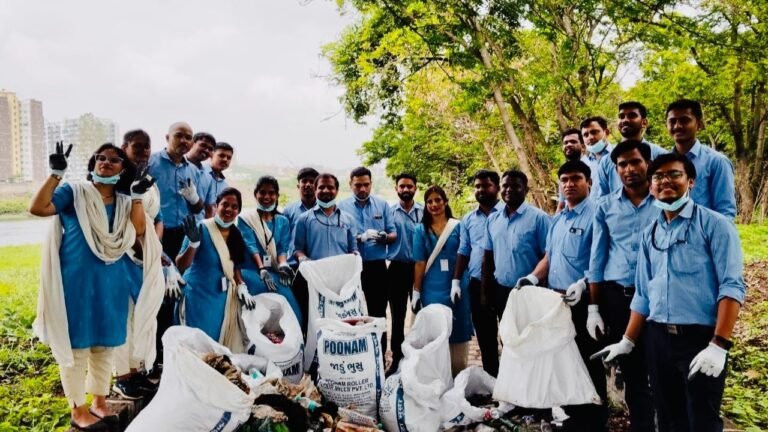
One of the strongest pillars of Dhruvansh NGO’s lake restoration efforts is community involvement. Volunteers, students, local residents, and corporate teams actively participate in clean-up drives, plantation programs, and environmental awareness campaigns.
School students learn about waste segregation, wetland ecosystems, and biodiversity conservation through hands-on experience. Corporate volunteers contribute through CSR initiatives, bringing manpower and resources that support large-scale efforts.
A volunteer shared during a lake drive:
“Working at the lake made me realize how small actions—like not dumping waste—can protect something so vital. Seeing the lake change over time is incredibly rewarding.”
This sense of ownership ensures that restored lakes remain protected long after the clean-up drives are completed.
Environmental Impact Beyond the Shoreline
The benefits of lake restoration extend far beyond visual improvement. Rejuvenated lakes:
- Improve groundwater recharge
- Reduce urban flooding risks
- Support native flora and fauna
- Enhance air quality and microclimate
- Provide mental and physical well-being benefits to communities
By restoring multiple lakes across Hyderabad, Dhruvansh NGO is contributing to a broader Clean & Green Hyderabad movement, proving that urban development and ecological conservation can coexist.
A Call to Protect Hyderabad’s Natural Heritage
The revival of Kokapet Lake, Mushikin Cheruvu, and Barlakunta Lake shows what is possible when scientific planning, community participation, and long-term commitment come together. These lakes are no longer just water bodies—they are thriving ecosystems and shared community spaces.As Hyderabad continues to grow, protecting its lakes is not optional—it is essential. Dhruvansh NGO’s work serves as a reminder that sustainable cities are built by citizens who care, and that every volunteer, resident, and organization has a role to play in preserving our natural heritage.