

Project Overview
Reclaiming Pleasent Valley Lake
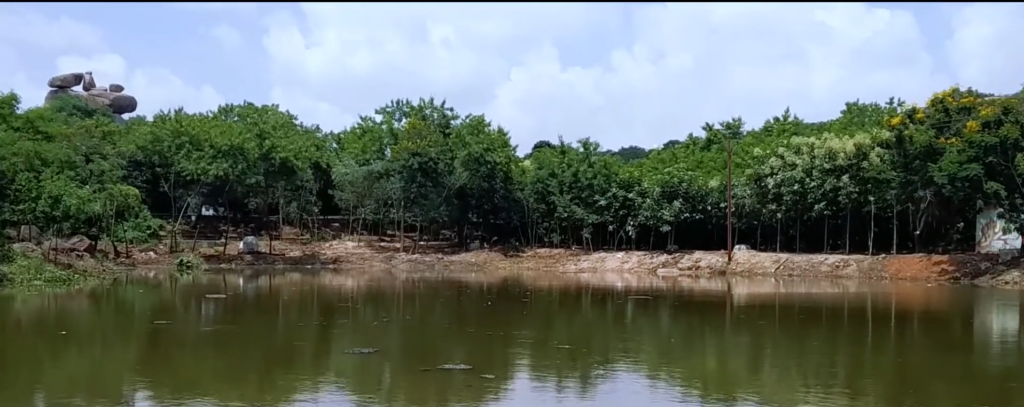
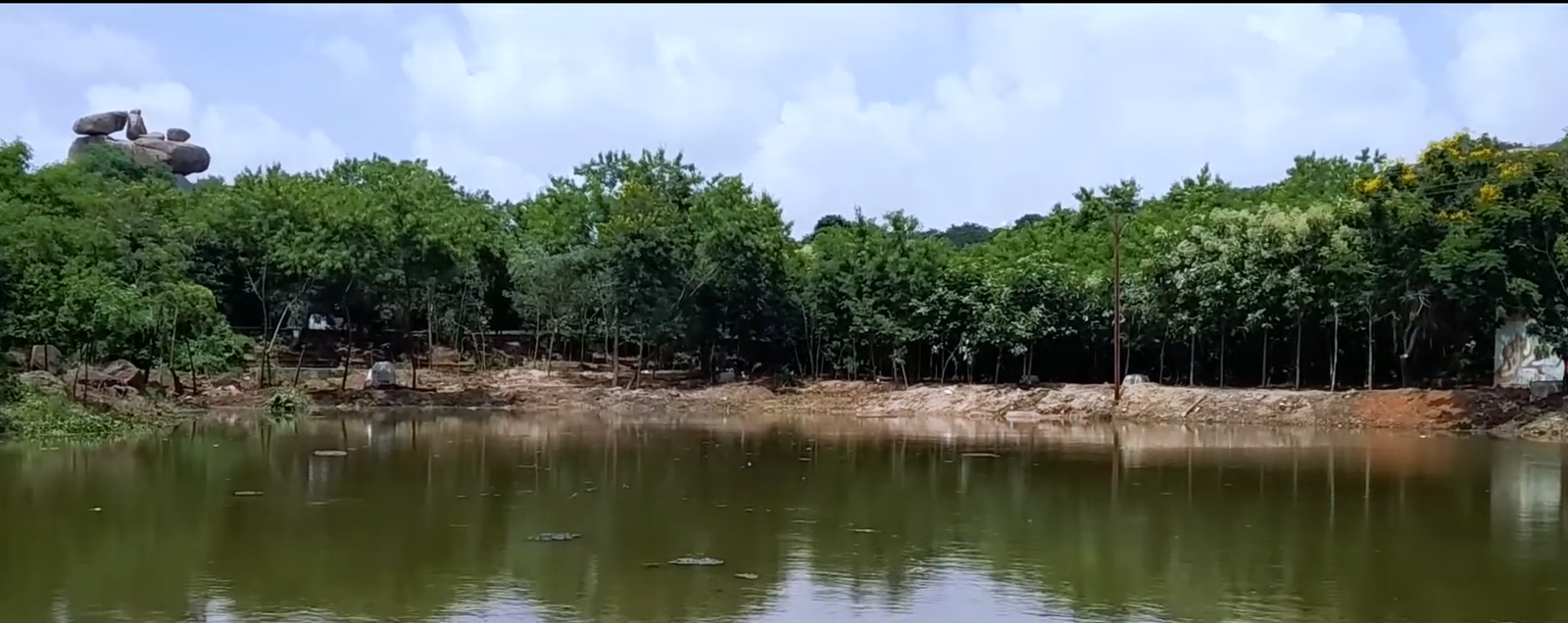
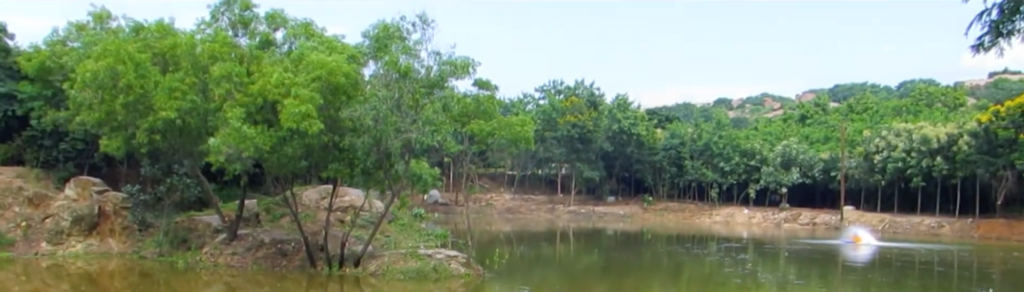
Once affected by sewage, garbage dumping, and siltation, Pleasant Valley Lake in Jubilee Hills is being restored through a blend of nature-based solutions, scientific restoration, and community participation.
Our mission is to restore water quality, strengthen biodiversity, and create sustainable green surroundings—transforming a once-degraded waterbody into a thriving urban ecosystem once again.
📍 Project Snapshot:
Location: Pleasant Valley Lake, Jubilee Hills, Hyderabad
Focus: Lake Restoration & Biodiversity Conservation
Key Interventions: Floating Treatment Wetlands, Bioremediation, Desilting & Plantation
- Started: 2019 – Ongoing Maintence
1. Phased Cleanup & Perimeter Protection
Debris & Silt Removal: Clearing historical accumulations of municipal solid waste, construction debris, and choked stormwater inlets that historically funneled urban runoff straight into the basin.
Inflow Regulation: Partnering with local municipal bodies to intercept raw sewage lines, diverting untreated effluent away from the lake bed while optimizing direct rainwater entry.
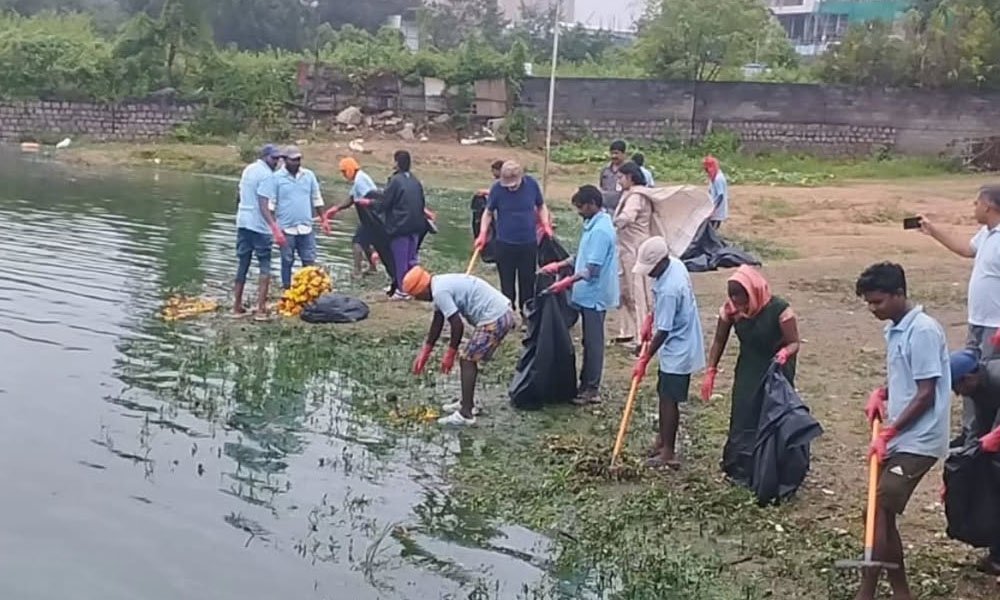
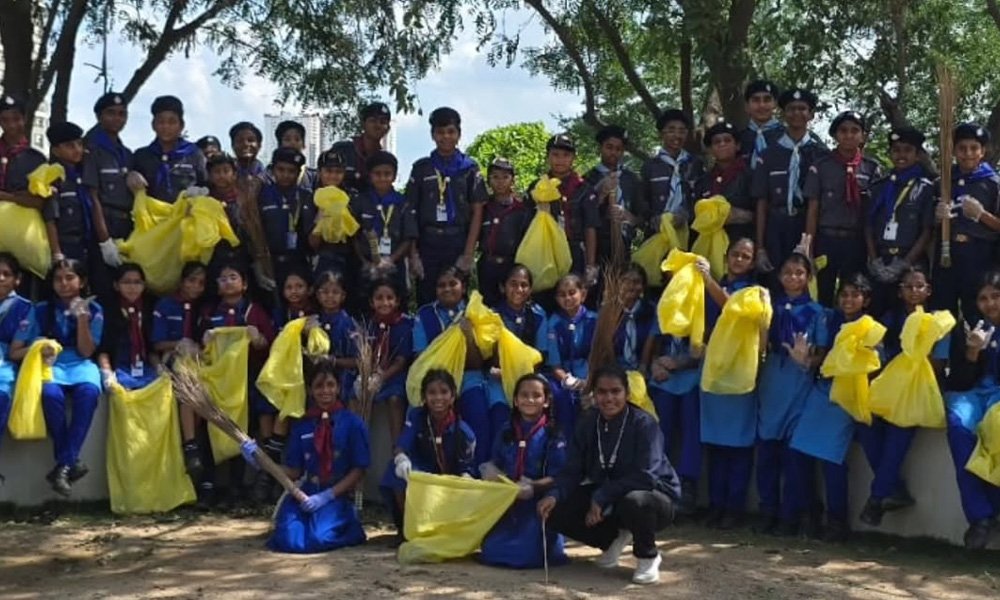
Community-Led Stewardship: Mobilizing local Jubilee Hills residents, local schools, and volunteers for regular weekend clean-up drives to ensure zero plastic tolerance and consistent waste sorting.
2. Floating Treatment Wetlands (FTWs) & Phytoremediation
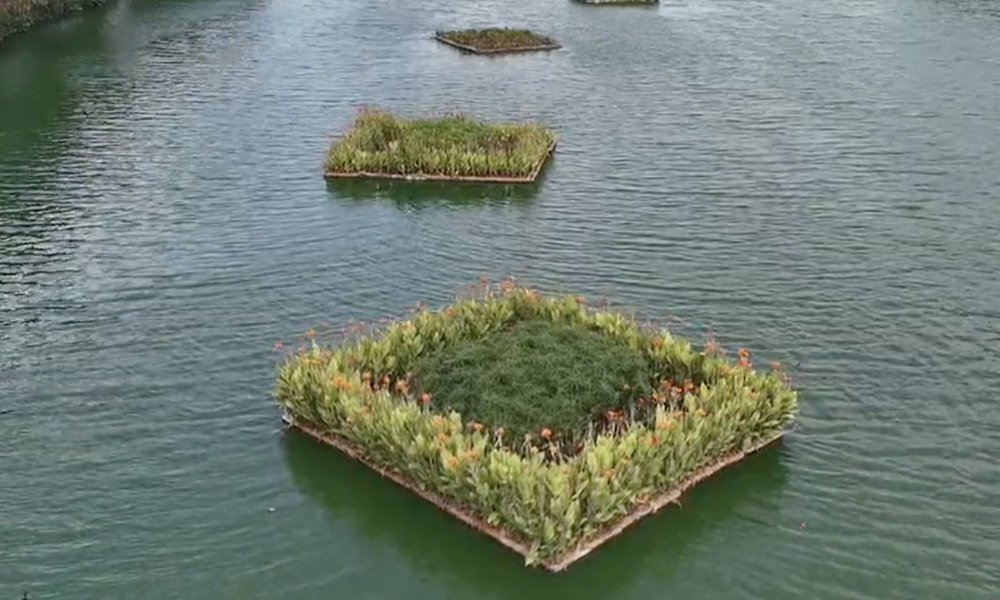
Decentralized Biological Filtration: Deploying customized modular Floating Treatment Wetlands constructed from buoyant, eco-friendly materials like bamboo and recycled plastic.
Nutrient Extraction: Cultivating dense colonies of native hyper-accumulators—such as Vetiver, Canna, and local reeds—whose root masses naturally filter out high concentrations of nitrates, phosphates, and heavy metals from the water column.
Solar/Mechanical Aeration: Installing solar-powered floating aerators to dramatically elevate Dissolved Oxygen (DO) levels, instantly mitigating foul anaerobic odors and promoting aerobic bacterial digestion of organic waste.
3. Cultural Siltation & Runoff Management
Dedicated Immersion Infrastructure: Constructing designated structural separation zones (such as a localized Koneru or perimeter collection tank) for neighborhood festival immersions, completely isolating plaster of Paris and toxic heavy-metal paints from the core water body.
Buffer Swales: Designing vegetated bioswales along sloping pathways to catch and filter street runoff before it hits the lake perimeter.
4. Biodiversity Integration & Green Buffers
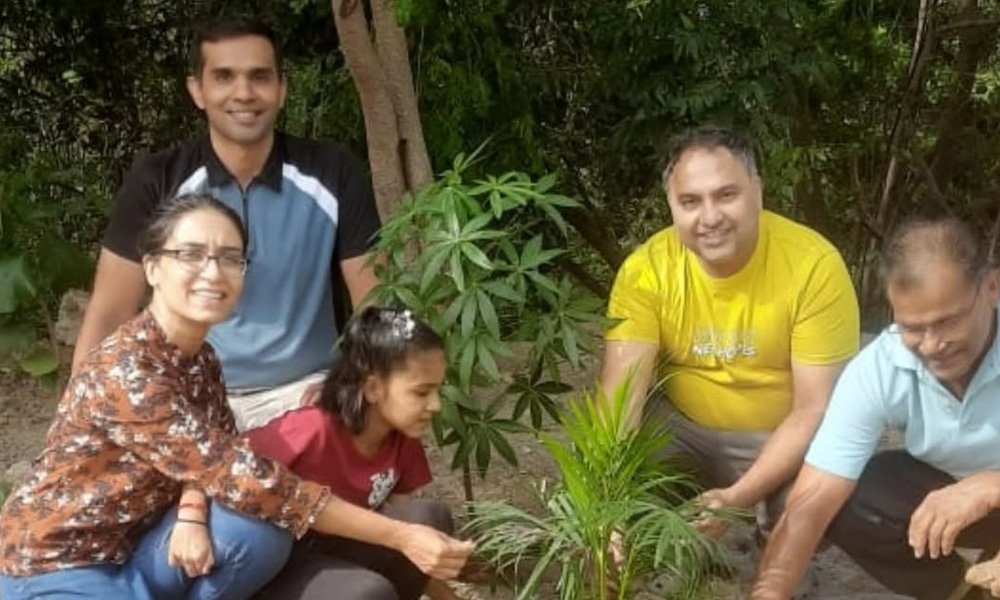
Shoreline Stabilization: Planting dense rows of native saplings along the banks to stabilize soil, prevent erosion, and provide a natural biological shield against urban encroachment.
On-Site Composting: Channeling removed water hyacinth, leaf litter, and routine landscape clippings into localized composting pits to generate nutrient-rich organic soil amendments for surrounding green patches.
5. Socio-Economic Value & Community Hubs
Living Ecological Classroom: Transforming the restored 6-acre perimeter into an open-air biological laboratory and educational asset for local schools and urban ecology researchers.
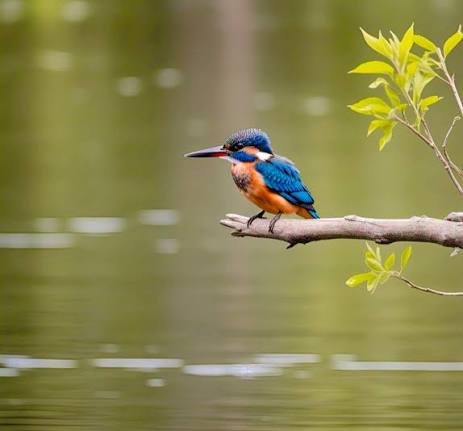
Self-Sustaining Micro-Ecosystem: Reintroducing balanced fish populations for natural biological mosquito control and establishing a healthy aquatic food web that invites back local bird species and pollinators
Our Restoration Process
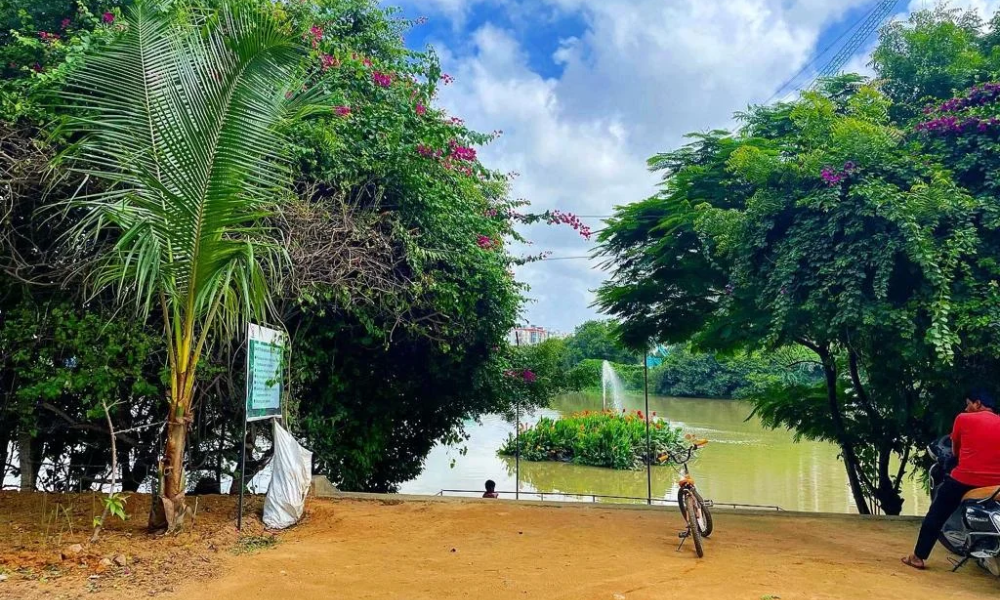
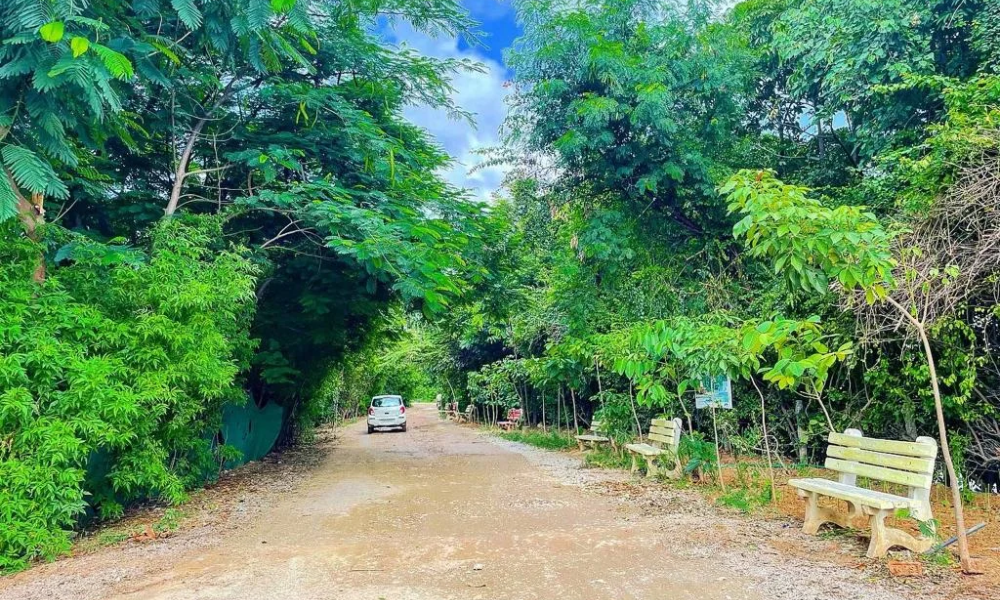
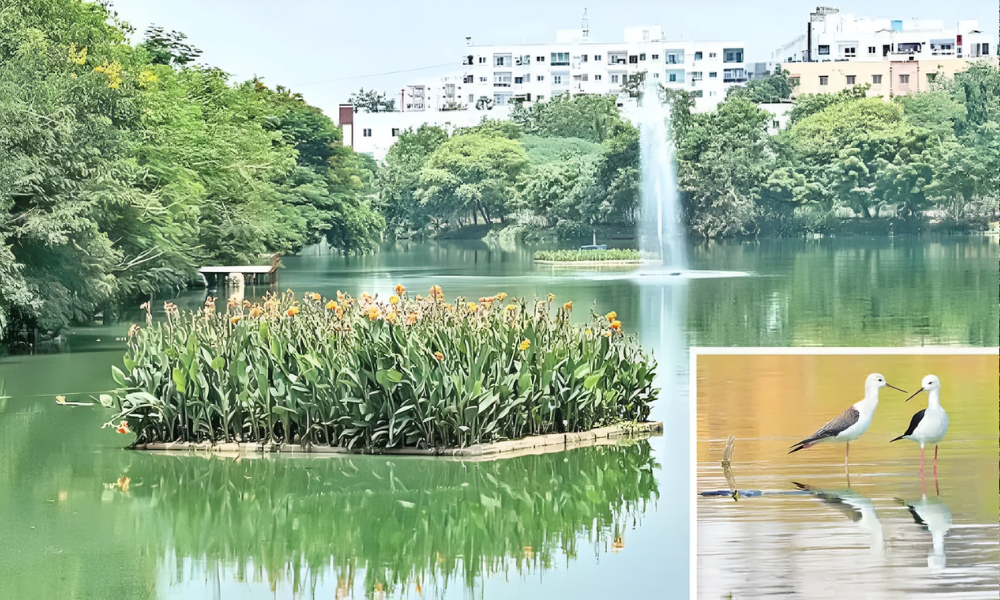
Restoration Impact — By the Numbers
GET INVOLVED — Be Part of the Change
Support the Mission
Support lake restoration, biodiversity protection, and community programs through your contribution.
Join as Volunteer
Join hands in clean-ups, plantation drives, and awareness events to help revive our lakes.
CSR Partnership
Collaborate with us through CSR to support long-term environmental conservation and impact.