


Clean surroundings are a reflection of a responsible society. Community clean-up drives go beyond surface-level cleanliness—they address the deeper issue of public attitude toward waste and environmental responsibility. These initiatives encourage people to take ownership of shared spaces and understand that environmental protection begins at the community level.
In many parts of India, public areas suffer from improper waste disposal, plastic pollution, and lack of awareness. While municipal systems play a role, lasting cleanliness cannot be achieved without citizen involvement. Community clean-up drives bridge this gap by transforming ordinary citizens into active contributors to environmental well-being.
At Dhruvnash NGO, clean-up drives are conducted with a clear objective: to inspire long-term behavioral change. Each initiative focuses not only on cleaning polluted areas but also on educating participants about sustainable habits that prevent future waste accumulation.
🌍 What Are Community Clean-Up Drives?
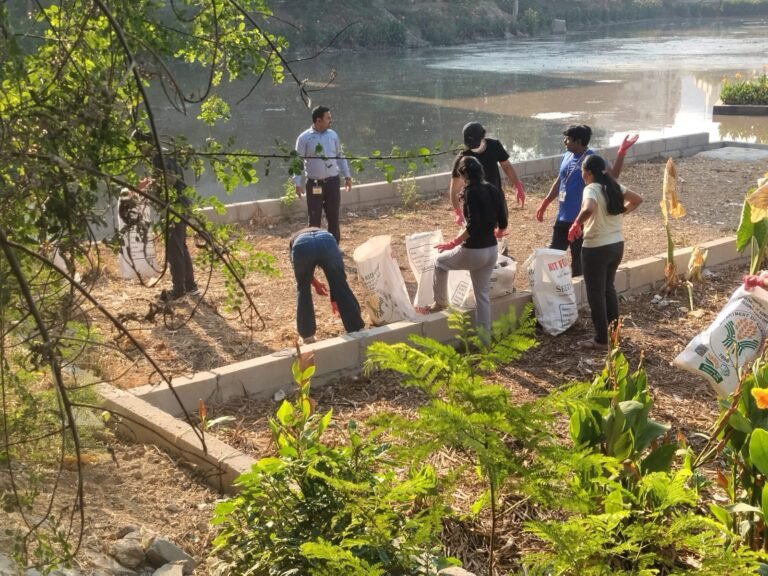
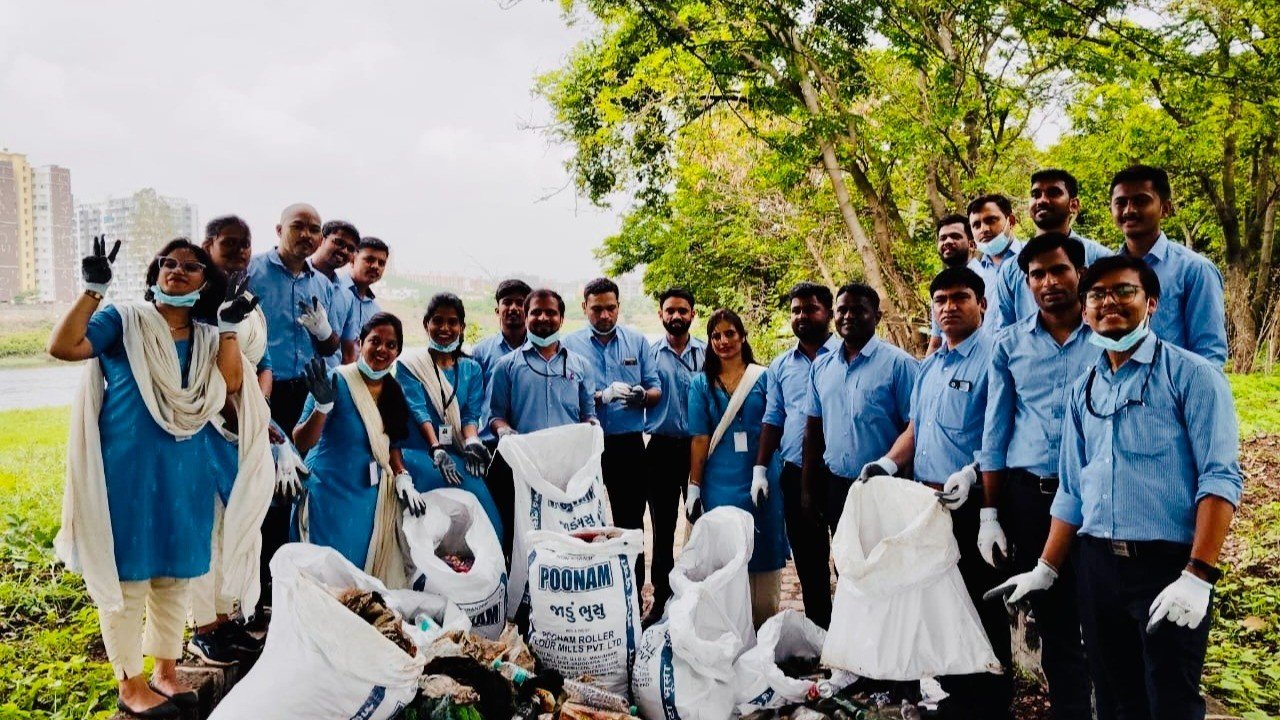
Community clean-up drives are organized activities where volunteers come together to remove waste from public spaces. These initiatives address both visible pollution and the root causes of environmental neglect.
They typically involve:
- Cleaning streets, roadsides, and public pathways
- Removing plastic waste from parks and open lands
- Clearing garbage from lakes, ponds, and riverbanks
- Sorting recyclable and non-recyclable waste
The goal is not just cleanliness for one day, but awareness that leads to consistent responsible behavior.
🧠 How Clean-Up Drives Change Public Mindsets
One of the biggest environmental challenges is the mindset that public spaces are not personal responsibility. Community clean-up drives directly challenge this belief by encouraging hands-on participation. When individuals clean their own surroundings, they become more conscious of how waste affects health, safety, and the environment.
This experience creates a sense of accountability. People who participate in clean-up drives are less likely to litter and more likely to encourage others to follow proper waste disposal practices. Over time, this collective awareness leads to cleaner neighborhoods and stronger civic discipline.
🤝 Importance of Community Participation
Environmental protection efforts succeed only when communities are actively involved. Clean-up drives foster cooperation and shared responsibility, which are essential for sustainable change.
Community participation helps to:
- Build long-term cleanliness habits
- Encourage youth leadership in environmental action
- Strengthen trust between NGOs and local residents
- Reduce dependence on external enforcement
When communities take ownership of their environment, cleanliness becomes a shared value rather than an imposed rule.
🌱 Role of Dhruvnash NGO in Clean-Up Initiatives
Dhruvnash NGO approaches clean-up drives with a structured and impact-driven strategy. The organization focuses on education, awareness, and post-drive engagement to ensure lasting results.
Key focus areas include:
- Identifying high-pollution and high-footfall areas
- Mobilizing volunteers and local youth groups
- Educating participants on waste segregation
- Promoting reduced plastic usage and eco-friendly alternatives
- Encouraging communities to maintain cleanliness independently
This approach ensures that clean-up drives lead to sustained environmental improvement rather than temporary results.
🌟 Benefits of Community Clean-Up Drives
Clean-up drives deliver multiple social and environmental benefits that extend beyond visible cleanliness.
Some key benefits include:
- Healthier and safer public spaces
- Reduced plastic and solid waste pollution
- Improved environmental awareness
- Stronger community bonding
- Positive influence on future generations
These benefits contribute to a cleaner ecosystem and a more responsible society.
🚀 How Individuals Can Contribute
Environmental protection does not require expertise—only commitment. Every individual has the power to support clean-up initiatives and promote sustainable habits.
You can contribute by:
- Volunteering in community clean-up drives
- Practicing proper waste segregation at home
- Reducing single-use plastic consumption
- Encouraging others to keep public spaces clean
Small, consistent actions create long-lasting environmental impact.
❓ FAQs (AEO – Featured Snippet Optimized)
What is the purpose of community clean-up drives?
The purpose is to remove waste from public spaces while creating awareness and encouraging responsible environmental behavior among citizens.
How do clean-up drives help the environment?
They reduce pollution, prevent plastic from entering ecosystems, improve public hygiene, and promote long-term cleanliness habits.
Who can participate in clean-up drives?
Anyone—students, professionals, families, and local residents—can participate without special skills.
🌏 Conclusion
Community clean-up drives prove that real environmental change starts with people. By involving citizens directly, these initiatives transform mindsets, encourage responsibility, and ensure cleaner public spaces for the future.Through its focused clean-up initiatives, Dhruvnash NGO continues to empower communities to protect the environment—not just for today, but for generations to come.