

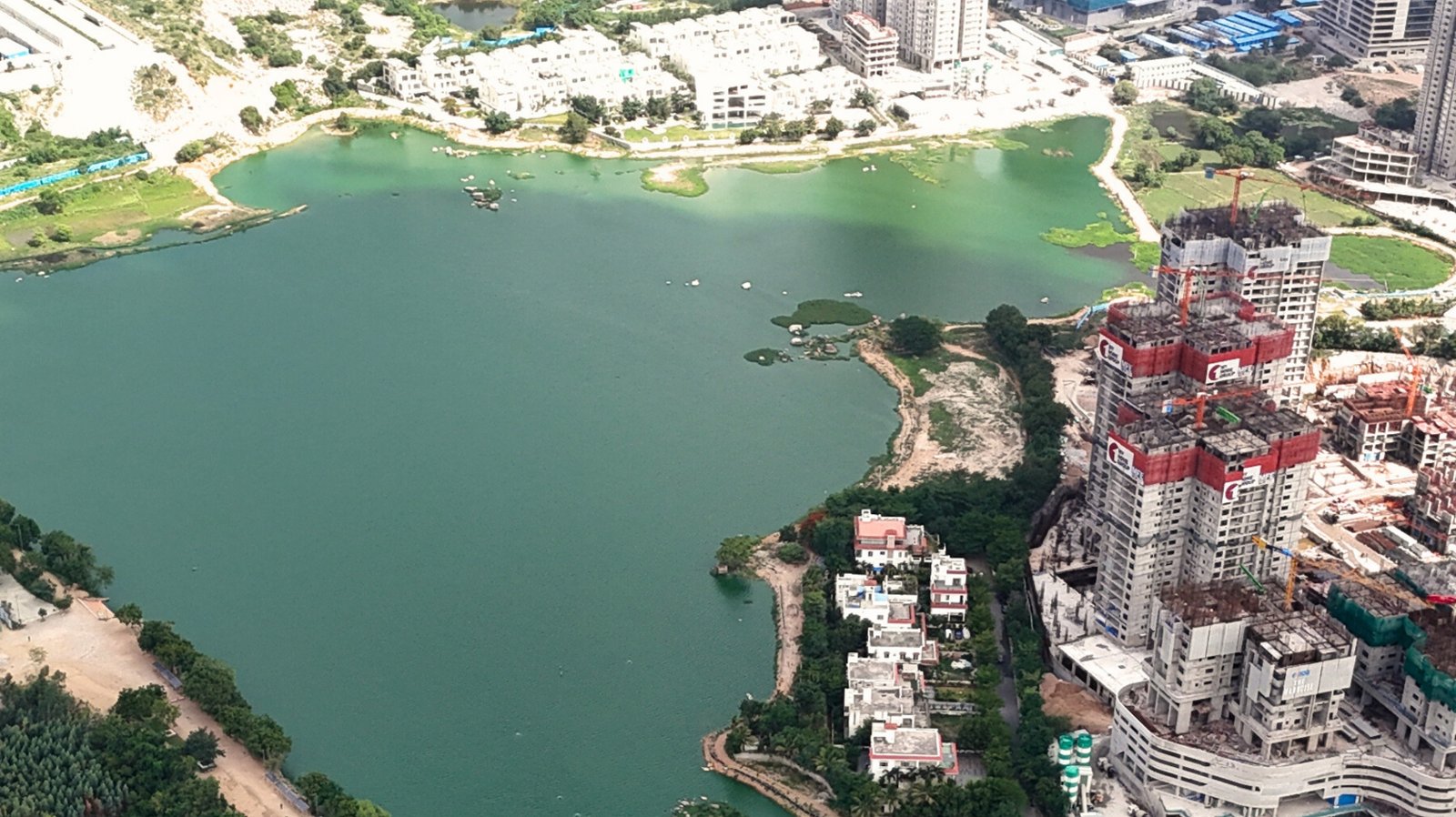

Kokapet Lake, once a serene natural water body in the heart of Hyderabad’s Kokapet region, had long suffered the consequences of urban neglect, pollution, and encroachment. But today, it stands as a symbol of transformation, resilience, and hope—thanks to the tireless efforts of local communities, environmental activists, and Dhruvansh NGO.
This blog explores the journey of restoring Kokapet Lake, the challenges faced, the role of community involvement, and how change became a reality.
The Problems Beneath the Surface
Like many urban lakes, Kokapet Lake bore the brunt of unplanned urbanization. Major issues included:
- Sewage Inflow: Illegal discharge of domestic wastewater polluted the lake.
- Plastic & Solid Waste: The lakebed and surroundings were littered with plastic and non-biodegradable waste.
- Loss of Aquatic Life: Pollution caused a sharp decline in fish and aquatic biodiversity.
- Encroachments: Illegal construction narrowed the natural boundaries of the lake.
- Loss of Community Bond: Locals grew distant from the lake, seeing it as a dump rather than a natural asset.
Challenges Faced in the Restoration Journey
1. Waste Removal
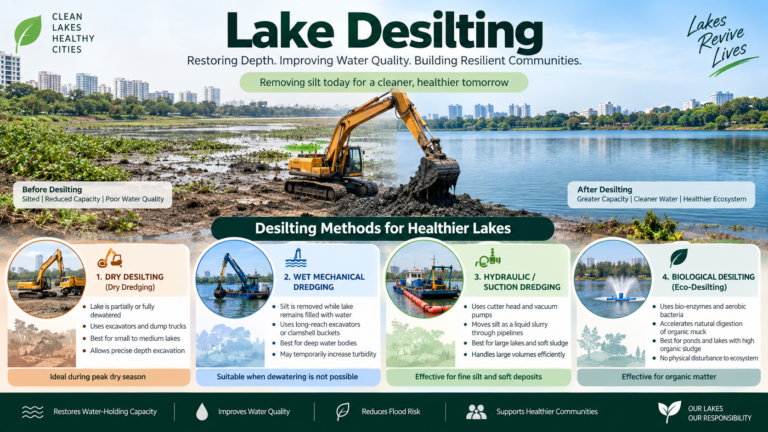
Cleaning years of accumulated garbage required heavy manpower, equipment, and persistent action. Sludge, plastic, and construction debris were systematically cleared.
2. Hydrology Restoration
Rejuvenating the lake’s natural water flow and catchment system was a complex task, requiring expert hydrological studies and design interventions.
3. Community Awareness
Many residents were unaware of the lake’s ecological importance. Building a sense of environmental responsibility and emotional connection took sustained outreach.
4. Funding & Support
As a non-profit effort, raising funds and volunteer support was a constant need. Thankfully, local citizens, corporate CSR programs, and youth groups stepped in.
The Power of Community in Action
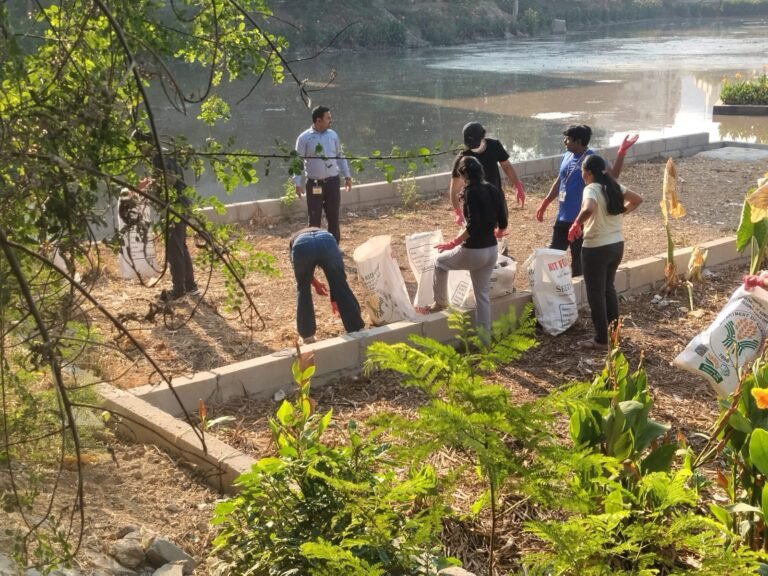
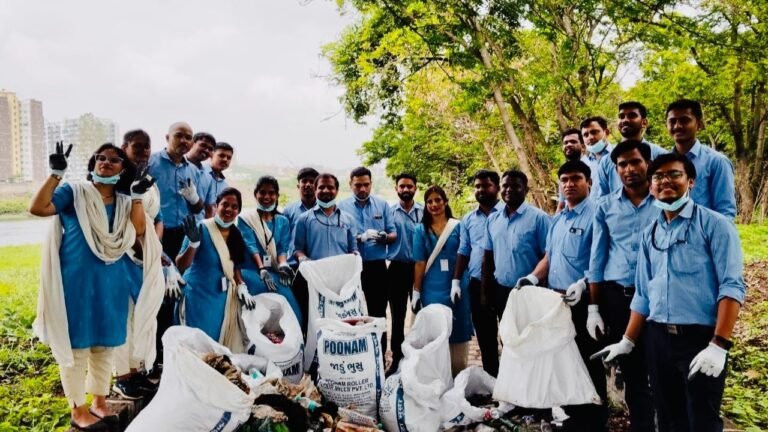
The Kokapet Lake Restoration Project is a living example of how collective action can lead to positive environmental change. Community members, school children, college students, local authorities, and NGOs joined hands to:
- Participate in cleanup drives
- Volunteer for plantation and biodiversity activities
- Spread awareness through events and workshops
- Adopt eco-friendly practices in their homes
The restoration process was not just environmental—it was social, educational, and emotional.
Key Interventions by Dhruvansh NGO
Dhruvansh NGO played a pivotal role in driving the change. Some notable initiatives include:
Floating Treatment Wetlands (FTWs)
Eco-friendly floating platforms planted with aquatic vegetation that naturally purify the water, reducing toxins and promoting biodiversity.
Solar-Powered Aerators
Installed to increase oxygen levels in the water, these help maintain healthy aquatic life without using conventional electricity.
Native Tree Plantation
Around the lake, indigenous plant species were planted to support local ecology, reduce soil erosion, and create a microclimate.
Storm Water Filtration Units
Structures were installed to treat incoming stormwater and prevent fresh contamination of the lake.
Bird Nesting & Aquatic Biodiversity Enhancement
Floating islands and safe zones were created to encourage bird nesting, fish breeding, and overall ecological restoration.
Visible Changes & Impact
Today, Kokapet Lake has witnessed:
- Cleaner water and surroundings
- Return of birds and aquatic species
- Active public participation in events
- Increased greenery and biodiversity
- A revived connection between people and nature
What was once a polluted pond has now become a space for yoga, education, nature walks, and community bonding.
A Call to Action
Kokapet Lake’s restoration is not just a success story—it’s a blueprint for urban environmental action. Every city, every neighborhood, and every citizen can contribute to conserving natural resources.
👉 Want to be a part of this change?
- Join cleanup drives
- Educate others about eco-conscious living
- Support NGOs like Dhruvansh
- Report pollution and encroachments
- Plant trees and preserve native flora
Final Thoughts
Restoring Kokapet Lake was never just about water. It was about restoring harmony between humans and nature, reclaiming lost spaces, and rewriting the narrative of urban living.
Together, with dedication and unity, even the most polluted spaces can bloom again.
Let Kokapet Lake inspire more communities to rise, rebuild, and revive.