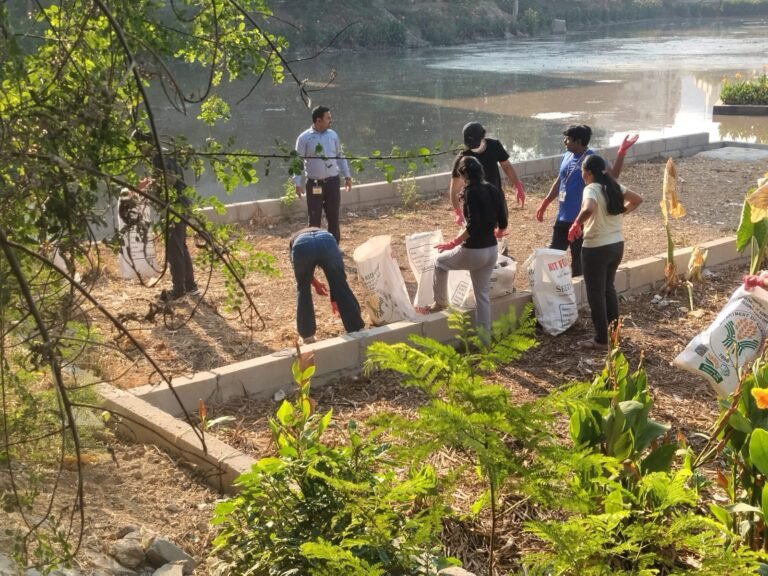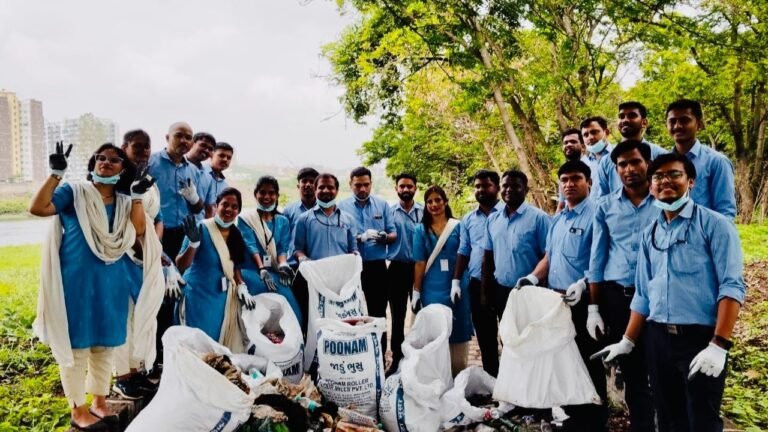



Urban lakes are no longer just water bodies—they are vital ecosystems that influence climate resilience, biodiversity, and community well-being. In rapidly growing cities like Hyderabad, restoring lakes requires more than cleanup drives. It demands a thoughtful balance between nature-based solutions, clean technology, and community participation.
Dhruvansh NGO’s lake development journey reflects this integrated vision. By combining large-scale plantation, innovative floating island systems, and solar-powered infrastructure, the organization is transforming degraded urban lakes into self-sustaining, eco-friendly public spaces. This holistic approach ensures long-term environmental impact while making lakes safer and more accessible for communities.
Plantation: Restoring the Green Cover Around Urban Lakes
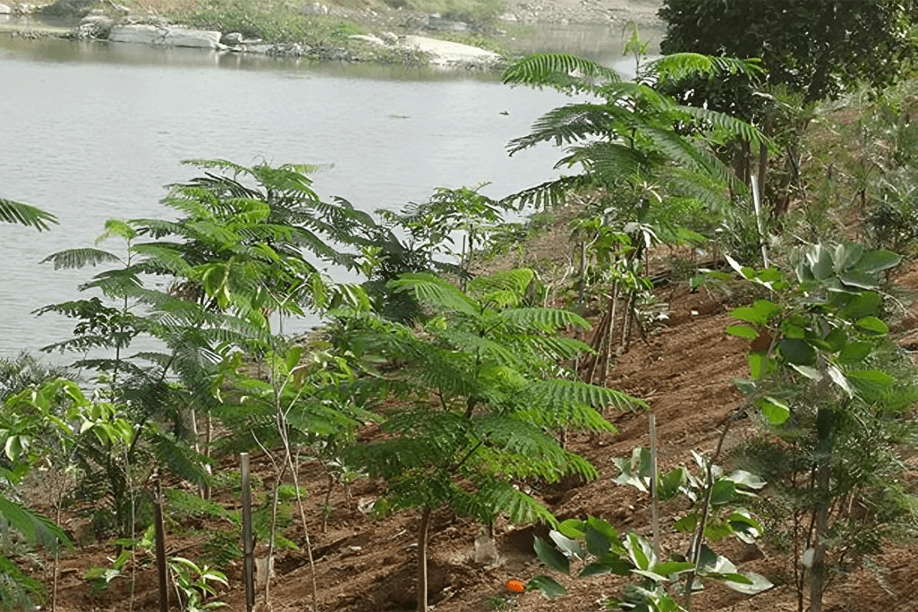
Green cover plays a critical role in the health of any lake ecosystem. Recognizing this, Dhruvansh NGO prioritizes strategic plantation as a foundation of its lake restoration projects.
Native and Climate-Resilient Species
Instead of ornamental or water-intensive plants, Dhruvansh NGO focuses on:
- Native tree and shrub species
- Low-water-requirement plants
- Climate-resilient and pollution-tolerant varieties
These species adapt better to local conditions, require minimal maintenance, and survive long-term urban stress.
Improving Air Quality and Microclimate
Dense plantation around lakes helps:
- Absorb air pollutants
- Reduce dust and noise levels
- Regulate temperature around water bodies
The result is a cooler microclimate that benefits nearby residential areas and promotes healthier urban living.
Enhancing Urban Biodiversity
Plantation creates habitats for birds, butterflies, insects, and small mammals. Over time, restored lakes become biodiversity hotspots where:
- Migratory birds return
- Native flora flourishes
- Ecological balance is restored
This natural revival indicates a healthy and resilient lake ecosystem.
Floating Islands: Nature’s Silent Water Purifiers
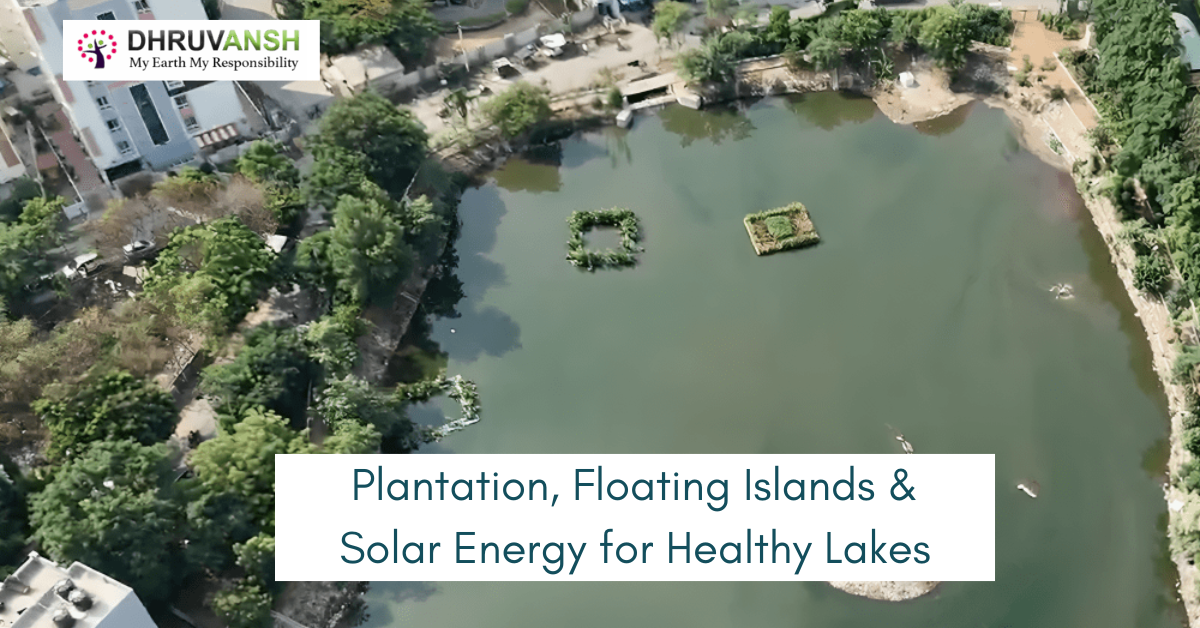
Water quality is central to lake sustainability. One of the most innovative elements in Dhruvansh NGO’s lake development journey is the use of floating treatment islands.
How Floating Islands Work
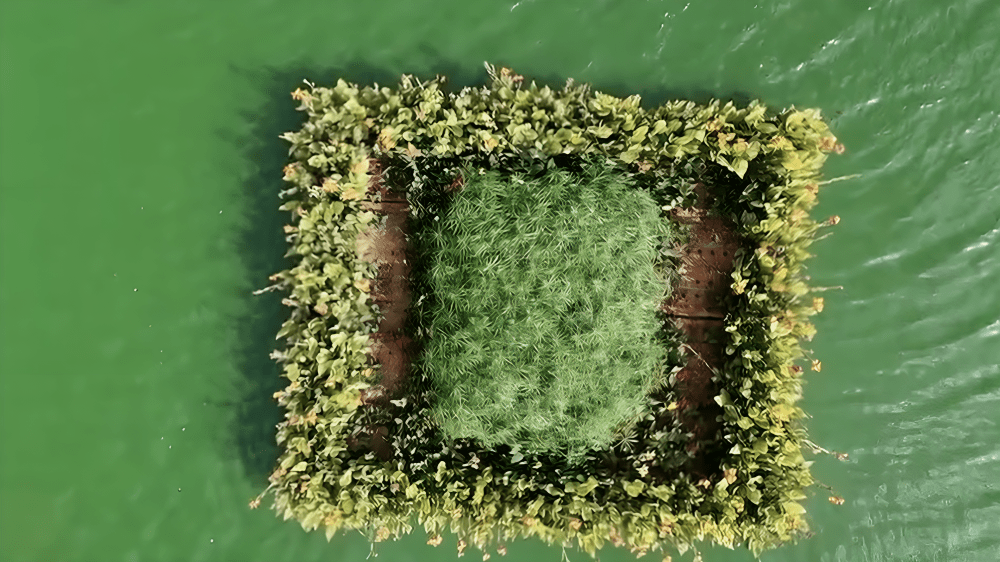
Floating islands are planted structures that float on the lake surface. Their roots grow downward into the water, creating a natural filtration system that:
- Absorbs excess nutrients
- Traps pollutants and heavy metals
- Reduces toxic elements in water
All this happens without chemical intervention, making floating islands an eco-friendly solution.
Supporting Aquatic Life
Beyond water purification, floating islands provide:
- Safe breeding spaces for fish
- Shelter for aquatic organisms
- Oxygenation that improves overall lake health
This encourages the return of aquatic biodiversity and strengthens the lake’s food chain.
Low Maintenance, High Impact
Once installed, floating islands require minimal maintenance and function continuously. Their silent operation makes them ideal for long-term water management in urban lakes where constant intervention is not feasible.
Solar Power: Clean Energy for Clean Lakes
Sustainability extends beyond nature—it also includes energy choices. Dhruvansh NGO integrates solar power solutions to ensure that lake infrastructure remains eco-friendly and cost-effective.
Solar-Powered Lighting Systems
Solar lights installed around lakes:
- Improve safety for walkers and cyclists
- Keep lake areas accessible after sunset
- Reduce dependency on conventional electricity
This enhances public usage while maintaining environmental responsibility.
Solar Systems for Lake Operations
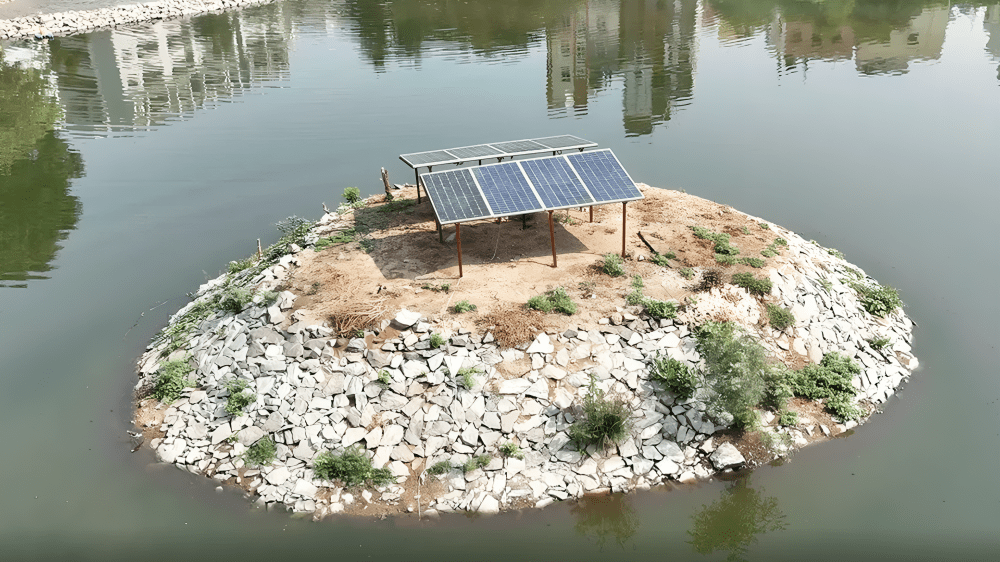
Where required, solar energy is used to power:
- Aeration systems
- Monitoring equipment
- Security and maintenance lighting
These systems significantly lower operational costs and reduce the carbon footprint of lake management.
Promoting Renewable Energy Awareness
Visible solar installations also serve an educational purpose. Visitors gain firsthand exposure to renewable energy solutions, reinforcing the message that clean energy and environmental conservation go hand in hand.
People-Centric Lake Development
Dhruvansh NGO believes that lakes thrive when people connect with them. The organization designs lake spaces that encourage responsible public use.
- Plantation zones double as shaded walking areas
- Floating islands become learning tools for students
- Solar lighting extends safe community access
By making lakes functional and welcoming, Dhruvansh NGO fosters a sense of ownership among residents—key to long-term protection.
Creating Model Urban Lakes for Indian Cities
The integration of plantation, floating islands, and solar power creates a powerful ecosystem where nature and technology complement each other. Together, these elements:
- Improve water quality naturally
- Enhance urban biodiversity
- Reduce maintenance and energy costs
- Create safe, green public spaces
Dhruvansh NGO’s lake development journey offers a replicable model for Indian cities struggling with polluted and neglected water bodies.
A Sustainable Vision for the Future
As climate challenges intensify, cities must rethink how they manage natural resources. Dhruvansh NGO’s approach demonstrates that sustainable lake restoration is achievable through simple, scalable, and eco-friendly solutions.
By blending plantation, floating islands, and solar power, the organization is not just restoring lakes—it is redefining how urban ecosystems can coexist with modern city life.