


Palapitta and Its Significance During Dussehra
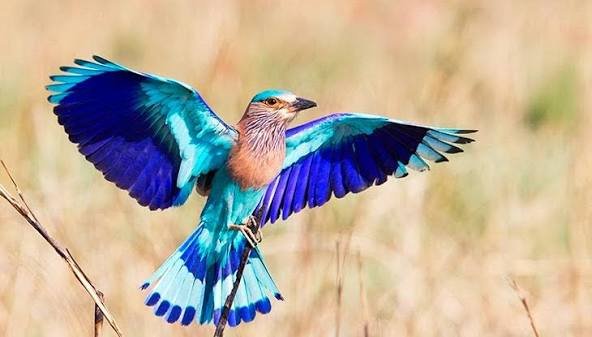
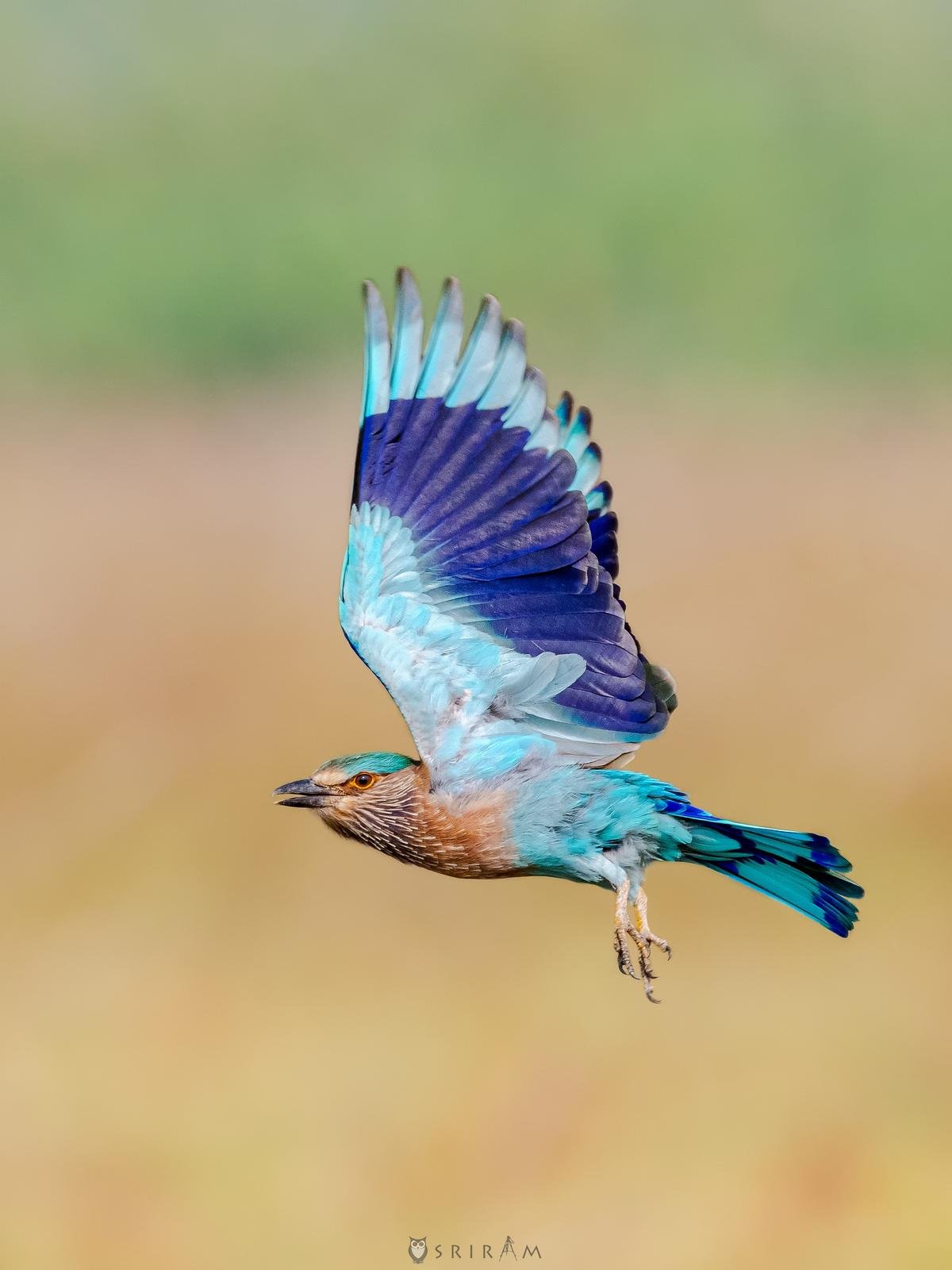
Every year as Vijayadashami approaches, a familiar excitement stirs across southern and central India. Along with the golden leaves of the Shami (Jammi) tree, families look up toward open fields and telephone lines, searching for a flash of brilliant sky-blue feathers.
That striking creature is the Palapitta—known in English as the Indian Roller (Coracias benghalensis) and in North India as Neelakanth. Honored as the official state bird of Telangana, Karnataka, and Odisha, the Palapitta holds a special place in cultural lore, spiritual beliefs, and agricultural life during Dussehra.
However, behind this ancient reverence lies a modern crisis: the very festival that celebrates the bird now severely threatens its survival.
The Mythological Origin :
• The Manifestation of Lord Shiva: The bird’s blue throat gives it the name Neelakanth, linking it directly to Lord Shiva, who drank the deadly Halahala poison to save the universe. Sighting a Neelakanth on Dussehra is believed to absolve sins, bring peace, and ensure smooth progress in upcoming endeavors.
A Friend to Farmers: Ecological Wisdom :
Beyond mythology, the Palapitta holds a practical connection to rural life:
- Natural Pest Control: Dussehra marks a key phase in the agricultural calendar. As an insectivorous bird, the Palapitta preys heavily on crop-damaging beetles, grasshoppers, and pests.
- Symbol of Harvest: Spotting the bird in harvest fields historically signified healthy, pest-free crops for the season ahead, making it a beloved ally to farming communities.
The Dussehra Effect: How Tradition is Hurting the Population
While the cultural intent behind seeking a Palapitta’s blessings is rooted in devotion, modern commercial exploitation during Dussehra creates a severe seasonal shock to the bird’s population. Recent conservation assessments have noted a 30% to 35% decline in Indian Roller numbers, putting the species at risk.
The Dark Side of Festival Sightings
- Trapping and Poaching: In the weeks leading up to Dussehra, poachers capture wild rollers using sticky glue (lappa), snares, and nets.
- Wing Trimming & Mutilation: To prevent the birds from flying away during paid display viewings, catchers frequently trim their flight feathers or glue their wings together.
- 80%+ Mortality Rate: High stress, dehydration, and starvation mean that over 80% of captured birds die within days—even if “freed” by well-meaning devotees.
Broader Threats Accelerating the Decline
In addition to festival trapping, the bird faces year-round environmental pressures:
- Pesticide Overuse: Chemical sprays eliminate their main food source (insects) and cause secondary poisoning.
- Habitat Loss: Expansion of urban development converts grasslands and fallow farmland into concrete landscapes.
Protecting the Palapitta: Legal Status & Conservation
Under India’s Wildlife Protection Act (1972), capturing, trading, or keeping a Palapitta captive is strictly illegal. To counter the festival-season population drop, key efforts are underway:
- Forest Department Raids: Authorities conduct pre-Dussehra raids on bird markets and temples to confiscate trapped birds and arrest poachers.
- Awareness Campaigns: Organizations promote virtual sightings, eco-photography drives, and digital counts to encourage spotting birds naturally in the wild.
- Religious Leadership: Spiritual scholars and local leaders actively spread the message that true punyam (merit) comes from protecting the bird, not displaying it in a cage.
The True Spirit of Vijayadashami
The Palapitta is a living symbol of hope, ecological balance, and victory over hardship. The divine blessing of Vijayadashami was never meant to come at the cost of a creature’s life or freedom.
This Dussehra, let us celebrate tradition as it was originally intended: by stepping into open nature, protecting our native wildlife, and admiring the sky-blue flash of the Indian Roller soaring freely where it belongs.