


The question “Is water scarce, or does it just look scarce?” captures the central debate among hydrologists, urban planners, and environmentalists today.
The short answer is: Globally and regionally, water is not truly scarce—it is severely mismanaged, unevenly distributed, and wasted. However, at a local level (like a dried-up lakes & borewell in Telangana during december), the scarcity feels—and is—very real.
Here is a breakdown of both sides of this reality :
Why Water Looks Scarce (The Management & Distribution Crisis)
• In most places—including Telangana, which receives a healthy average annual rainfall of around 900 mm to 1,000 mm—nature actually provides more than enough water for everyone. It only looks scarce because of how we handle it:
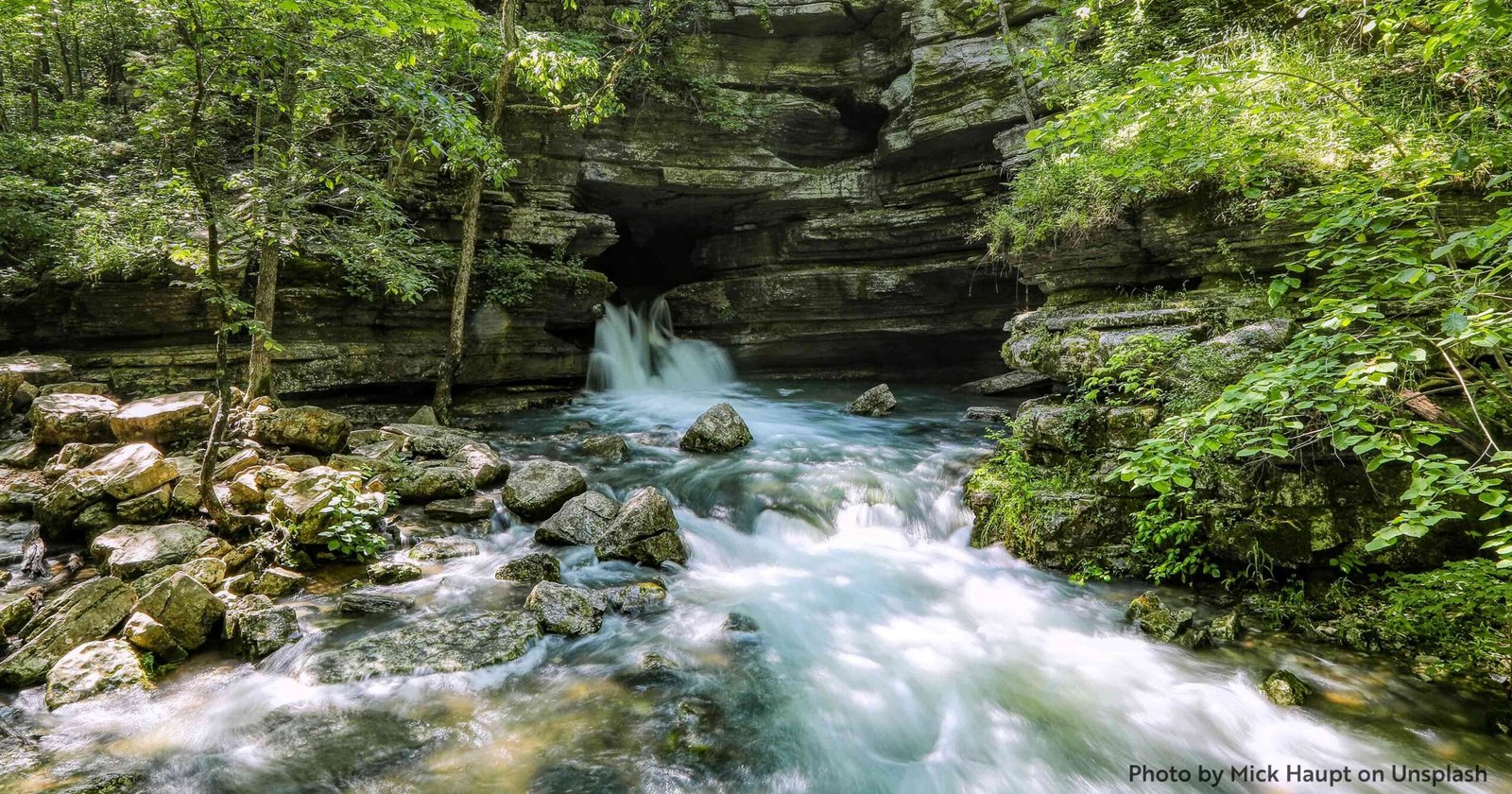
- The Storage Paradox (Floods vs. Droughts): Cities like Hyderabad frequently experience severe urban flooding during the monsoon and acute water shortages just six months later. The water isn’t missing; we simply fail to capture it. Because lakes are encroached upon and concrete covers the soil, billions of liters of rainwater rush away into drains instead of being stored.
- The “Single-Use” Mindset: We treat water as a disposable resource rather than a circular one. We use pristine, treated drinking water to flush toilets, wash cars, and water lawns, and then dump it into sewage drains. If wastewater were properly treated and recycled via STPs, urban water supply would immediately increase by 40–50%.
- Massive Distribution Losses: In many Indian cities, 30% to 40% of treated water is lost before it even reaches a tap due to leaking pipes, illegal connections, and poor infrastructure.
- Unequal Access: Water scarcity often looks like an “availability” problem when it is actually an “equity” problem. Luxury gated communities with swimming pools and manicured lawns may have 24/7 water via private tankers, while neighboring low-income colonies wait in line for municipal water every third day.
Why Water Is Physically Scarce (The Ecological & Geological Reality)
- While mismanagement creates the crisis, there are real physical limits that make water genuinely scarce in specific times and places:
- Freshwater is a Tiny Fraction: While 71% of the Earth is covered in water, 97.5% of it is salty ocean water. Of the remaining 2.5% freshwater, most is locked in glaciers and deep underground. Less than 1% of the Earth’s water is easily accessible freshwater in rivers, lakes, and shallow aquifers.
- Geological Limits (Depleted Aquifers): As seen in southern peninsula’s hard-rock terrain, groundwater trapped in deep granite fractures took centuries to accumulate.
- Once pumped out faster than nature can replenish it, those underground pockets are physically empty. You cannot manage water that isn’t there.
- Pollution Renders Water Unusable: When untreated industrial waste and raw sewage are dumped into rivers and lakes, that water is physically present, yet functionally nonexistent for human use. Polluted water creates qualitative scarcity—there is plenty of water to look at, but none you can safely touch or drink.
- Climate Change Volatility: Erratic monsoons—where an entire month’s rain falls in two days followed by weeks of dry spells—combined with rising temperatures and higher evaporation rates, are physically reducing the reliable water available in reservoirs.
The Verdict: A Crisis of Design, Not Supply
“There is enough water for human need, but not enough for human greed and poor
planning.”
Let’s talk about Bharat in more detail-
While water is technically a renewable resource (replenished continuously through the
hydrological cycle), however drinking water is not renewable resource because of many
reasons. India faces severe water scarcity because the rate at which we consume and
pollute water far exceeds the rate at which nature can replenish it.
The two core drivers—groundwater over-extraction and the lack of Sewage
Treatment Plants (STPs)—create a vicious cycle that simultaneously drains clean water
supplies and contaminates what remains.
Groundwater Over-Extraction (Depleting the Supply)
- India is the largest user of groundwater in the world, extracting roughly 247 billion cubic meters (BCM) annually—more than the US and China combined.
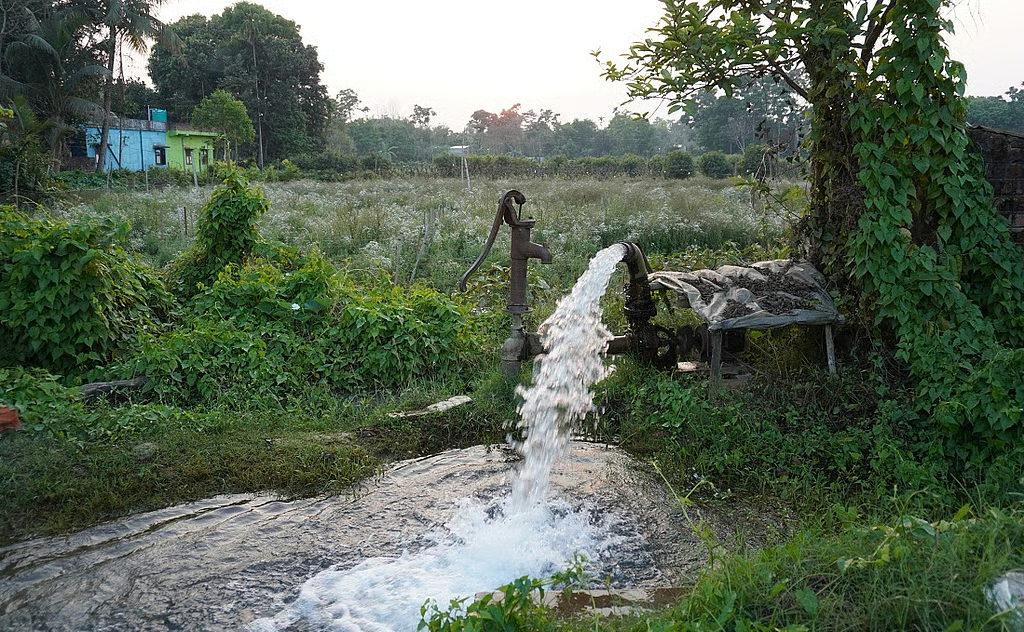
- Pumping Faster Than Recharge: While rain replenishes aquifers, concrete urbanization prevents rainwater from seeping into the soil, and borewells pump water out faster than monsoons can refill it. Over 730 assessment units across India extract more groundwater than is naturally replenished.
- Agricultural & Policy Skew: Roughly 87% of India’s groundwater goes toward irrigation. Subsidized or free farm electricity combined with Minimum Support Prices (MSP) encourages the cultivation of water-intensive crops (like paddy and sugarcane) in water-stressed states such as Punjab (156% extraction rate), Rajasthan (147%), and Haryana (137%).
- Drying Aquifers & Contamination: As water tables plummet, shallow wells run dry, and remaining deep groundwater becomes concentrated with natural toxins like fluoride, arsenic, and uranium, rendering it undrinkable.
Lack of Sewage Treatment Plants (Destroying Usable Water)
- Water scarcity isn’t just a quantity problem; it is a quality problem. When clean water is used once and dumped untreated, it ruins existing freshwater sources.
- Massive Treatment Deficit: India’s urban centers generate over 72,000 million liters of sewage per day (MLD). However, operational STP capacity treats less than a third of this volume—leaving tens of thousands of MLD of raw sewage flowing directly into rivers, lakes, and open drains daily.
- Polluting Surface & Ground Reserves: Untreated sewage turns rivers (like stretches of the Yamuna and Ganga) and urban lakes into toxic drains. Worse, polluted surface water percolates downward, contaminating the very groundwater aquifers cities rely on for drinking.
Missed Circular Reuse: Without STPs, cities cannot recycle wastewater. Treated
STP water can easily replace freshwater for industrial cooling, construction,
gardening, and toilet flushing—relieving massive pressure on freshwater reserves.
But are STPs a sustainable solution ? – STPs look useful in present scenarios
however they are actually cradle to grave research which in longer run with
increased population & depleting resources will burden economy. We must start
accepting Nature Based Solutions to treat water of various parameters.
Understanding Water Scarcity in Telangana: Terrain, Lakes,
and Wastewater Management
Let’s talk about Telangana~
Telangana faces a unique set of hydro-geological and urban infrastructure
challenges that severely limit its ability to store and recharge water. The water
crisis in the state can be understood through three interconnected factors: its
underlying geology, the degradation of its traditional lake systems, and the
mismanagement of Sewage Treatment Plants (STPs).
Geological Terrain and Poor Groundwater Recharge
● The Hard Rock Aquifer System: Unlike the northern plains of India, which sit
atop deep, porous alluvial soil capable of holding vast amounts of water like a
giant sponge, roughly 80% to 85% of Telangana is underlain by hard,
crystalline rocks (such as granite and gneiss) dating back to the Archaean
era.
● Limited Storage Capacity: Hard rock formations have almost zero primary
porosity. Groundwater in these areas is stored only within thin, weathered top
layers and deep, narrow fractures or cracks in the rock.
● Rapid Runoff and Depletion: Because the rock beneath the soil is largely
impermeable, rainwater cannot easily percolate deep into the earth to recharge
aquifers. Instead, much of it flows away as surface runoff. Furthermore, once
the limited water trapped in these rock fractures is pumped out via borewells,
it takes a significantly longer time to replenish, leading to rapidly falling water
tables.
The Depletion of Lakes (The Biggest Harvesting Pits)
● A Historic Network: Historically, the rulers of the region (such as the
Kakatiyas and Qutb Shahis) recognized the limitations of the hard-rock terrain.
To overcome this, they engineered an intricate, cascading network of
thousands of artificial lakes and tanks (cheruvus). Because underground
storage was limited, surface storage was the primary lifeline.
● How Lakes Act as Harvesting Pits: By holding rainwater on the surface over
extended periods, these lakes exert constant downward pressure, forcing water
slowly into the underlying soil and rock fractures—acting as massive, natural
groundwater recharge pits.
● Encroachment and Siltation: Rapid urbanization, particularly around hubs
like Hyderabad, has led to the widespread encroachment of lake beds and their
feeder channels (nalas) for real estate and infrastructure. Additionally, decades
of accumulated silt have drastically reduced the water-holding capacity of
surviving lakes. When lakes shrink or vanish, the region loses its primary
mechanism for both surface storage and groundwater replenishment,
simultaneously increasing the risk of urban flooding during heavy rains.
- Unmaintained Sewage Treatment Plants (STPs)
● The Missed Opportunity of Water Recycling: In rapidly growing urban
centers, treated wastewater is a critical, drought-proof water resource.
Properly functioning STPs treat domestic sewage so it can be safely reused for
non-potable purposes (such as industrial cooling, construction, and
landscaping) or safely released into lakes to maintain water levels.
● Impact of Poor Maintenance: Many STPs across the state suffer from
inadequate maintenance, outdated technology, power disruptions, or a lack of
proper sewerage networks to carry waste to the plants.
● Double Damage: Contamination: Untreated or partially treated sewage is frequently
discharged directly into lakes and rivers (like the Musi River). This pollutes
existing freshwater bodies, causes eutrophication (algal blooms that kill
aquatic life), and renders the water unfit for use or safe groundwater
recharge. - Resource Loss: Failing to treat and recycle wastewater forces cities and
industries to rely entirely on fresh water pumped from distant reservoirs
(like the Krishna and Godavari projects) or dwindling groundwater
reserves, further deepening the scarcity cycle.
Summary
In Telangana, the natural hard-rock terrain makes artificial surface storage
essential. Lakes were historically built to solve this exact problem, while STPs are
the modern equivalent needed to keep urban water cycles sustainable. When lakes
are destroyed and STPs fail, the state loses its ability to capture rainwater and
recycle used water, leaving it highly vulnerable to droughts.
Prevention & Mitigation Strategies
- Hard-Rock Terrain: Immediate mitigation includes sub-surface dykes, check dams, and smart commercial borewell metering. Long-term prevention relies on aquifer mapping and strict borewell zoning laws, while avoiding unfiltered deep injection wells due to contamination risk.
- Depleting Lakes: Immediate mitigation includes clearing nalas, desilting drives (such as Mission Kakatiya), and inlet constructed wetlands. Long-term prevention relies on GIS and satellite Full Tank Level (FTL) and buffer-zone enforcement.
- Failing STPs: Immediate mitigation includes real-time IoT BOD/COD monitoring, lake diversion drains, and non-potable reuse mandates. Long-term prevention relies on Decentralized Wastewater Treatment Systems (DEWATS) and dual-piping laws.
- High Demand: Immediate mitigation includes drip and sprinkler micro-irrigation (40–50% savings) and fixing urban pipe leaks. Long-term prevention relies on crop diversification (millets, pulses, oilseeds over Rabi/Yasangi paddy) and tiered tariffs.
Household Conservation & Greywater Reuse
Bathrooms account for 50–60% of indoor use, and greywater reuse can cut household freshwater demand by 30–40%:
- Bathroom & Kitchen: Use a bucket and mug (15–20 L) instead of 10-minute showers (100–150 L, saving ~80–130 L per bath) or bathtub fills (150–250 L, saving ~150–200 L per bath). Adopt dual-flush cisterns or tank displacement and skip 2–3 unnecessary toilet flushes daily (saving ~18–30 L per day). Turn off taps while brushing or shaving (saving ~12–20 L per day). Wash produce in a bowl and reuse leftover water on plants.
- Greywater & Outdoor: Collect RO reject water (~2–3 L per 1 L purified, saving ~20–30 L per day for 10 L drinking water), washing-machine rinse water, shower warm-up runoff, and AC condensate for mopping floors, flushing toilets, and watering plants. Wash vehicles with a bucket instead of a running hose (saving ~150 L per wash). Run full loads in washing machines and dishwashers, fix 1-drip-per-second leaks (>10,000 L per year), and water plants early or late with mulch.
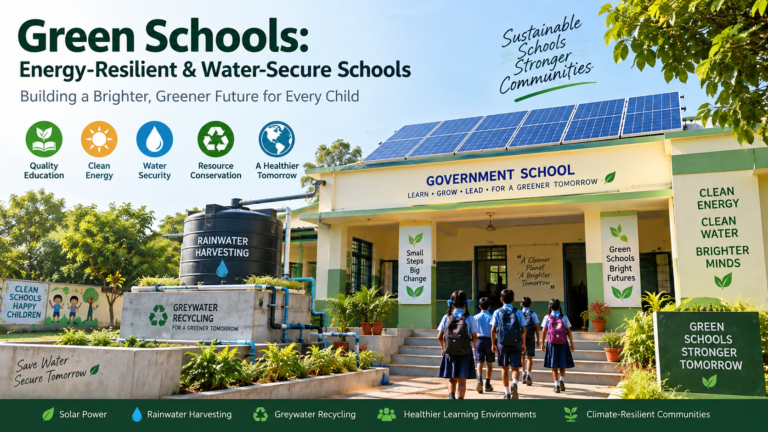
Fixing lakes, maintaining and decentralizing STPs, harvesting rain, and cutting household waste can resolve much of today’s “scarcity”—before over-pumping and pollution turn it into irreversible physical scarcity.
By
Madhulika Choudhary
MY EARTH MY RESPONSIBILITY